
Concern · Skin

Under-eyes, rethought.

The skin around the eyes is thin, with little padding beneath it — which is why the area shows so much. Dark circles, puffiness, hollows and bags each have a different cause: pigment, visible vessels, volume loss, or retained fluid and fat. The honest order is assessment first, and conservative, cause-based care second.

The patternPigment · vessel · volume
The methodCause first
Our aimA rested, natural look
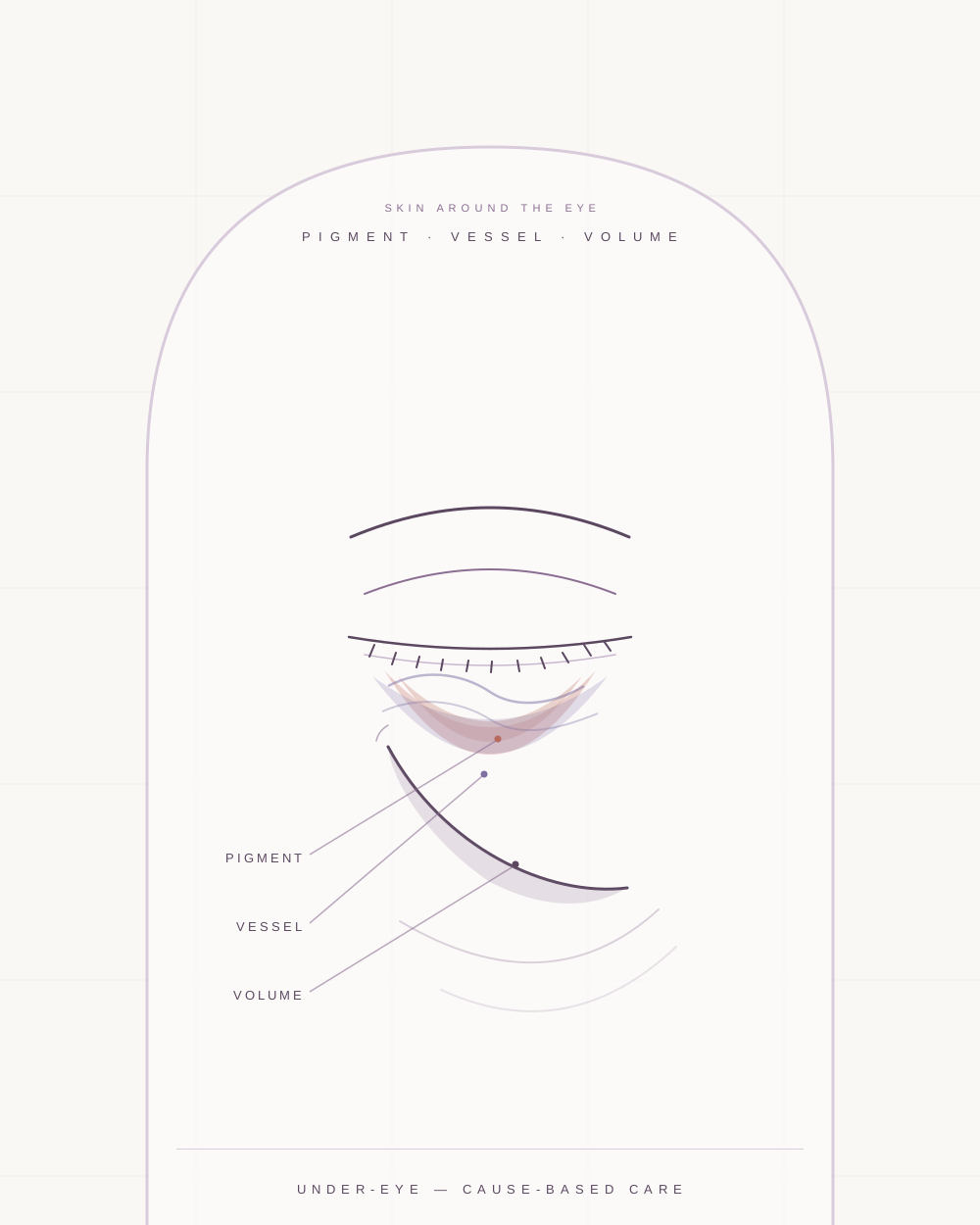
Under-eye rejuvenation — pigment, vascular and volume causes assessed first (clinical diagram)
What causes dark circles and under-eye concerns?

Under-eye concerns are not one condition — they are several, each with its own cause and its own treatment.

Dark circles can be brown pigment (melanin — common in Indian skin), a blue-purple cast from vessels showing through thin skin, or a shadow cast by volume loss. Puffiness and bags come from retained fluid and fat pads. What helps one cause does little for another — which is why the rule here is ‘cause before cream’. A dermatologist separates the causes first, then matches the plan to what is really going on.

The Basics

What are under-eye concerns?

The skin around the eyes is the thinnest on the face, and it is draped over little padding — underneath sit thin tissue, small vessels and, lower down, the fat and fluid compartments that drive puffiness. Because the layer is so thin, almost everything beneath it shows through: pigment, blood vessels and bone.

Dark circles arise in three main ways — brown pigment (melanin, very common in Indian skin), visible bluish vessels through thin translucent skin, or a hollow where volume loss casts a shadow. Puffiness comes from fluid that pools overnight, and persistent bags from fat that has settled beneath the lower lid.

Each of these has a different trigger and a different treatment. There is no single ‘under-eye cream’ for all of them — which is why the plan always begins with sorting out which cause is actually in front of us.

Classification

Patterns Under the Eye

Under-eye concerns are best sorted by cause rather than by one name. Four patterns cover most of what patients describe — pigment circles, vascular circles, hollows (the tear trough) and puffiness or bags. They are related concerns, each treated on its own terms.

A single pair of eyes can hold more than one cause — pigment on top of a hollow, or puffiness beside visible vessels. The dermatologist separates the components before the plan is made.

Pigment circles under the eye — a brown melanin band, common in Indian skin (clinical diagram)
I

Pigment Circles

Brown, melanin-driven

A flat brown or grey-brown tint under both eyes. In Indian skin this is the most common pattern: melanin is present from an early age, and rubbing, allergies and sun darken it further. Gentle depigmenting and sun care — not peels near the eye — are the primary approach.

  • Brown / grey-brown tint
  • Present on both sides
  • Worsens with rubbing & sun
Cause
Melanin + post-inflammatory
Tone
Brown / grey-brown
Indian skin
The most common pattern
Trigger
Rubbing, allergy, sun
Response
Gentle depigmenting + sun care
Pigmentation →
Vascular circles under the eye — a blue-purple translucent tint with vessels showing through thin skin (clinical diagram)
II

Vascular Circles

Blue-purple cast

A bluish or purple translucent tint along the under-eye, where small vessels show through very thin skin. It is mostly a matter of anatomy and skin thickness rather than a pigment problem — which is why whitening creams do little. Conservative laser tone work and honest limits fall within the dermatologist’s remit.

  • Blue / purple cast
  • Worse when pale or tired
  • Thin, translucent skin
Cause
Vessels through thin skin
Tone
Blue / purple
Key
Skin thickness & anatomy
Pigment creams
Limited effect
Approach
Tone work, honest limits
Under-eye care & treatment →
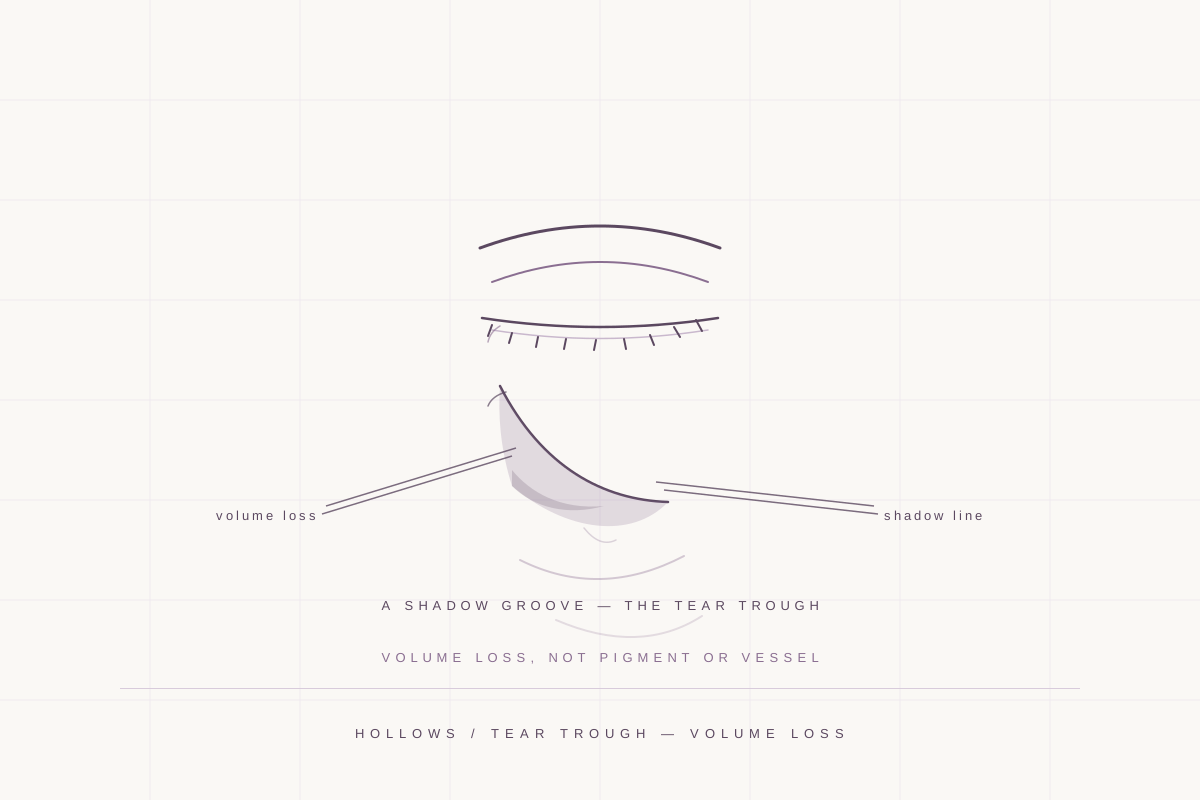
Under-eye hollow and tear trough — a shadowed groove beneath the eye from volume loss (clinical diagram)
III

Hollows / Tear Trough

Shadow of volume loss

A visible shadow or groove curving from the inner corner of the eye under the lid — the tear trough. It is volume loss in the area, not pigment or vessels, and it grows more visible with age and weight change. The honest answer is a different conversation: conservative volumising in carefully selected cases.

  • Shadow line from inner corner
  • Deepens with age
  • A ‘loss of volume’ look
Cause
Volume loss
Look
A shadow groove, not flat colour
Age
More apparent with time
Fix
Conservative volumising — discussed honestly
Not
Peels or bleaching
The volume conversation →
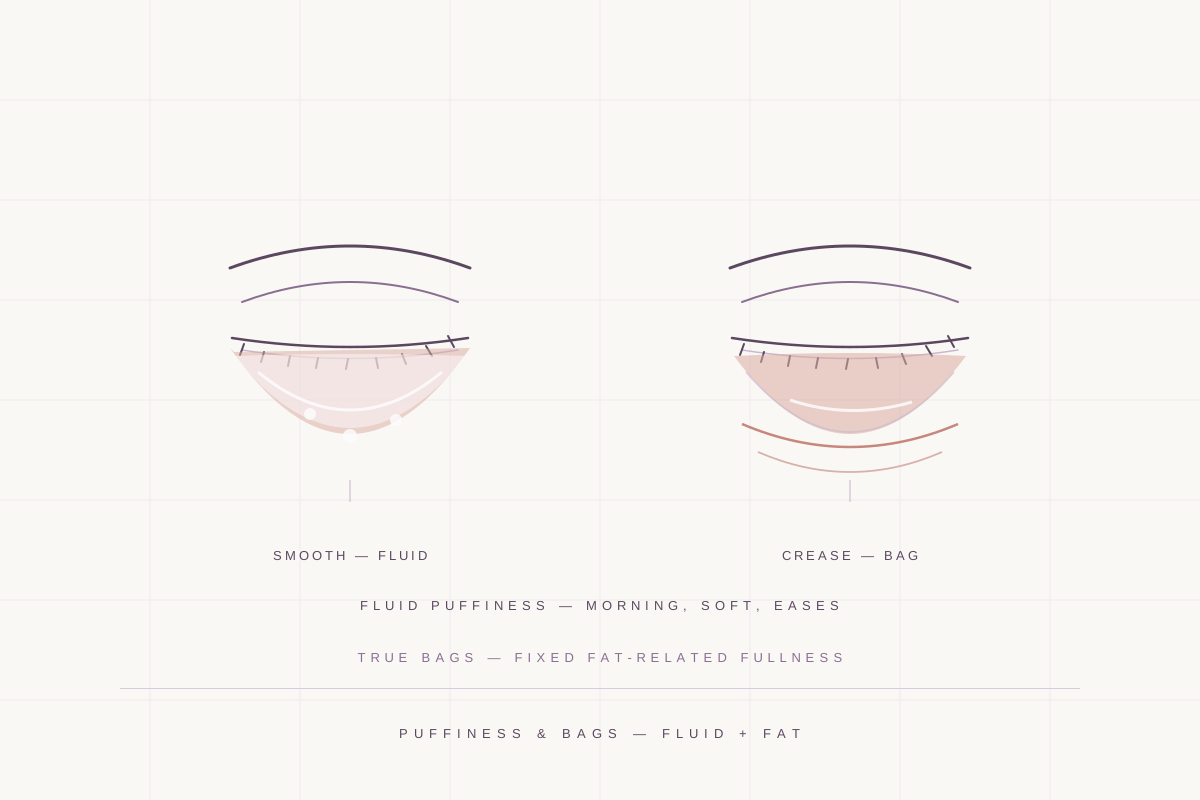
Under-eye puffiness and bags — one smooth fluid-filled lower lid and one creased bag (clinical diagram)
IV

Puffiness & Bags

Fluid, then fat

Puffiness on waking is fluid that pooled overnight — it softens and shifts through the day and responds to salt, sleep and allergy control. Bags are a persistent lower-lid fullness, more about fat and structure than fluid. Telling the two apart changes the advice; not everything labelled a ‘bag’ needs treating.

  • Morning puffiness that eases
  • Persistent lower-lid fullness
  • Salt / sleep / allergy triggers
Fluid puffiness
Softens through the day
True bags
Persistent fat-related fullness
Trigger
Salt, sleep, allergies
Vs volume
Different cause, different answer
Approach
Triggers first, honest expectations
Puffiness vs bags →
The Mechanisms

What causes under-eye concerns?

Under-eye concerns are multifactorial — heredity often sets the scene.

Structure and pigment run in families, so some people are born with a tendency to circles. Around that, everyday factors pile on: rubbing and allergies (which darken and irritate thin skin), sun exposure (which deepens melanin), poor sleep and fluid balance, and late or heavy meals with salt or alcohol (which show as morning puffiness). With age, volume loss and laxity create or deepen hollows — and in some women, hormonal and menstrual fluid shifts cause periodic puffiness.

One honest line: iron deficiency or anaemia is not an automatic explanation for circles around the eyes. Persistent generalised pallor — pale skin everywhere, breathlessness or fatigue — is a separate medical question for a physician, not an assumption made on sight.

What to look for

Symptoms & Signs

Under-eye concerns rarely present as one thing. In plain language alongside the medical idea:

Brown or grey-brown tint

Even pigment under both eyes — melanin-driven

Blue-purple translucent tint

Vessels showing through thin skin

A visible shadow line

A tear-trough groove, curved from the inner corner

Morning puffiness that eases

Fluid pooling overnight; settles through the day

Persistent lower-lid bags

Fixed fullness — more about fat than fluid

Eyelid-skin lightness with age

Volume shifts and laxity over time

Across Ages

Who gets under-eye concerns?

There is no single age for dark circles — the causes are present from childhood.

Pigment circles are common in Indian skin from an early age, before any lifestyle question arises. Puffiness with fluid shifts can affect many people at any time. Hollows and bags settle in more with age and genetics — volume drifts, tissue loosens, and the area shows the years first. Men and women both; the pattern, not the age, guides the answer.

Whatever the age, the assessment is the same: which causes are actually present, in what proportions, and what can sensibly be done.

Assessment

How are under-eye concerns assessed?

Assessment is cause-first — it separates what is actually driving the look.

In good light and under magnification, the dermatologist divides the area into components: pigment (the brown band), vascular (the blue-purple cast), volume (the shadow and hollow) and fluid (the puffiness). History follows — sleep, allergy, rubbing, sun exposure and habits — alongside photographs so progress can be compared honestly.

No eye examination is performed here. Examination of the eye itself — the eyeball, vision or orbit — stays with an eye specialist (ophthalmology). Our ambit is the skin around the eye, and that boundary is respected.

The Plan

Under-Eye Care & Treatment

Care is built on the cause. Topical and lifestyle measures carry most plans; selected in-clinic treatments support them where appropriate. Nothing here promises a permanent blank slate — the honest goal is a rested, natural look.

01

Topical & Lifestyle

Gentle depigmenting and skin-care products are chosen under dermatologist guidance — sunscreen and sunglasses during the day, with allergy, sleep, salt and rubbing addressed as the everyday lever. These products do not erase a hollow and cannot remove a bag, but they change the pigment and tone that make other causes look worse.

02

In-Clinic Treatments

Selected in-clinic options are conservative and dermatologist-chosen, not automatic: gentle mesotherapy for under-eye skin quality, and laser work in selected cases for pigment or vessel tone — both used with caution on thin, delicate skin, and not suited to everyone. The decision is individual, after assessment.

03

Volume & Structure

When hollows dominate, volume is a conservative discussion: what volumising can and cannot do under the eye, honest limits, and realistic timing. Fat-related bags and excess skin belong to the surgical consultation conversation where relevant, and we make that referral openly. There is no procedure promise here.

In Delhi

Under-Eye Care in Delhi at Laser Skin Hair Nail Clinic

At Laser Skin Hair Nail Clinic, Gujranwala Town, Delhi, under-eye care begins with a cause-based assessment in good light — pigment, vessel, volume and fluid separated honestly — before anything is prescribed. We then build a personalised topical and in-clinic plan, with sun and allergy counselling, photographs and an honest review of what is working along the way.

  • Cause-based assessment in good light
  • A personalised topical + in-clinic plan
  • Sun and allergy counselling as part of care
  • Photographs and honest progress review
Clinical perspective
Dr. Shivali SethiDermatologist · Cosmetologist · DermatosurgeonMBBS · DDVL · FACSI
Book an Under-Eye Consultation in Delhi +91 99101 95838
Our Approach

How We Assess & Treat Under-Eyes

I
Assess
Good light, magnification and history — the causes are separated.
II
Classify
Pigment, vessel, volume and fluid — in their actual proportions.
III
Plan
A personalised plan — topicals and lifestyle first, in-clinic where appropriate.
IV
Treat
Selected care is delivered — gentle, conservative, reviewed.
V
Maintain
Sun, sleep and salt habits, photographs and an honest progress review.
Dr. Shivali Sethi

Dr. Shivali Sethi

Cause-first under-eye assessment in Delhi — pigment, vessel, volume and fluid separated honestly, with the plan matched to what is really going on.

MBBSDDVLFACSIDermatosurgeon
Three different things

Dark Circles vs Puffiness vs Hollows

Three different causes, three different answers. Knowing which one you actually have — or which combination — decides what will help, and what will not.

1Flat colour

Dark circles

A flat tint under the eye — brown where melanin dominates, blue-purple where vessels show through thin skin. Colour, not swelling; treated with gentle depigmenting, tone work and sun care.

Pigmentation →
2Swell, fluid-driven

Puffiness

Soft fullness, worst in the morning, eased by the day. Salt, sleep and allergies move it; bags that stay are a step beyond fluid.

Everyday care →
3A shadow of volume loss

Hollows

A visible groove — the tear trough — cast by volume loss, deeper with age. A different conversation: conservative volumising, with honest limits, in selected cases.

The volume conversation →
Avoidables

What Can Make Under-Eyes Worse?

Thin skin punishes rough handling. These habits keep causes visible longer, and some can genuinely damage the area.

  • Harsh scrubbing or rubbing the thin under-eye skin — it darkens and irritates
  • DIY ‘strong’ peels near the eye — a real risk to delicate skin
  • ‘Instant fix’ eye creams — the cause isn’t a cream problem, and it shows
  • Nicotine and chronic sleep loss — both show first under the eyes
  • Unmonitored allergy drops — allergy care belongs with the doctor who prescribed it
  • Ignoring persistent or painful swelling — that is a physician’s question, and promptly
The Everyday

Under-Eye Skincare & Routine

A simple framework — gentle with thin skin, protective in daylight, reflective at night. The details of eye care are individualised at consultation.

Morning

Gentle cleanser → hydration → eye care as advised → sunscreen · sunglasses

Sun protection matters most: UV deepens pigment circles and thins further the skin that is already thin.

Night

Cleansing without rubbing → moisturiser → cool compress if puffy

Pillow height, sleep and salt affect morning puffiness more than any cream.

The Right Time

When Should You See a Dermatologist for Under-Eyes?

See a dermatologist for persistent dark circles, morning puffiness that never settles, hollows or bags that genuinely bother you, circles that are worsening, or new pigment after rubbing, allergy or sun.

Book a Consultation
  • 01Persistent dark circles
  • 02Morning puffiness that never settles
  • 03Hollows or bags that genuinely bother you
  • 04Circles that are worsening
  • 05New contrast-related pigmentation after rubbing, allergy or sun

If swelling is one-sided, painful, persistent, or you notice any change in vision or sight, these are not skin matters — see a physician promptly (an eye specialist where indicated).

False Friends

Under-Eye Myths: What Is Actually True?

Do under-eye creams permanently remove circles?

No. A well-chosen cream can genuinely soften pigment and improve tone over weeks to months — but it cannot remove a hollow, and nothing ‘permanently’ erases a cause that keeps returning. Cause before cream: know what you are treating.

Do dark circles always mean anaemia or illness?

No. Most dark circles are natural pigment, visible vessels or anatomy in healthy people. Persistent generalised pallor, breathlessness or fatigue is a different story — that is a medical question for a physician, and not something we conclude by looking.

Does more sleep fix everything?

No. Sleep loss shows under the eyes and a few good nights genuinely soften it — but it does not remove melanin, thin skin or a tear trough. Sleep helps the fluid parts of the picture.

Is surgery the only option?

No. Most under-eye concerns fall well within conservative dermatology — gentle topicals, in-clinic tone work, and honest volumising where suited. Surgery belongs to the surgical conversation only when fat-related bags or excess skin dominate.

Are circles always pigment, to remove with peels?

No, and peels near the eye are rarely the answer. If the cause is vessels, volume or fluid, pigment approaches change little — and thin skin needs gentler thinking than peels allow.

Questions & Answers

Frequently Asked Questions About Under-Eyes

The questions patients ask most often — answered directly, without the jargon.

01

What causes dark circles?

Dark circles have more than one cause. They can be brown pigment (melanin — common in Indian skin), a blue-purple cast from vessels showing through thin skin, or a shadow cast by volume loss in the tear-trough area. Each has a different treatment, which is why assessment comes first.

02

Can dark circles be removed?

Honestly: causes differ, so results differ. Pigment-based circles can genuinely be softened with gentle, consistent depigmenting and sun care. Vessel-based tone and selected hollows respond to more conservative, in-clinic approaches. No treatment ‘erases’ the area and nothing is permanent — the goal is a rested, natural look.

03

Do under-eye creams work?

Some do, for some causes. A dermatologist-chosen depigmenting or hydrating cream can improve browny pigment and tone over weeks to months. It cannot remove a hollow, stop vessels from showing, or shift a fat bag — and an ‘instant-fix’ cream is usually a marketing claim.

04

Are dark circles from anaemia or lack of sleep?

Not automatically. Most circles are ordinary pigment, vessels or anatomy in healthy people. Sleep loss does soften puffiness and paleness. Persistently pale skin everywhere, along with breathlessness or fatigue, is a separate question for a physician — not something anyone should assume from a glance under the eye.

05

What is a tear trough?

The tear trough is the natural groove curving from the inner corner of the eye under the lower lid. With age and weight changes, volume along it is lost, so the groove deepens and casts a shadow that reads as a dark circle. It is a volume matter, not a pigment or vessel one.

06

Are under-eye bags different from puffiness?

Yes. Puffiness is fluid that pools overnight — soft, worst in the morning, eased by the day, influenced by salt, sleep and allergies. Bags are a more persistent fullness from fat and structure under the lower lid. Different causes, different answers — sorting the two is the first step.

07

What treatments does a dermatologist use for under-eyes?

Cause-based, conservative care: gentle depigmenting and skin-care products with sun protection as the base; selected in-clinic mesotherapy for skin quality; laser work in chosen cases for pigment or vessel tone; and a conservative volume discussion only where hollows dominate. What is used depends on what the assessment finds.

08

Is laser safe under the eyes?

In selected cases and in careful hands, gentle tone-focused laser work can be undertaken under the eyes. The skin there is thin and delicate, so settings are conservative and not every case is suited to it. Safety depends on assessment, equipment and experience — each case is decided individually.

09

Can skincare prevent dark circles?

It can limit the causes that pile on top of genetics. Daily sunscreen and sunglasses protect thin skin from UV that deepens pigment; gentle cleansing without rubbing; controlled allergies; and steady sleep and salt habits keep the fluid and fatigue parts in check. It will not reverse vessels, a hollow or a true bag.

10

Where can I get under-eye treatment in Delhi?

At Laser Skin Hair Nail Clinic, Gujranwala Town, Delhi. Under-eye care is led by Dr. Shivali Sethi (MBBS · DDVL · FACSI), beginning with a cause-based assessment in good light — pigment, vessel, volume and fluid separated honestly — before a personalised plan. Book a consultation to get started.

Begin

Forty-five minutes,
unhurried.

The first consultation is cause-first. We separate pigment, vessel, volume and fluid honestly, tell you plainly what is treatable and what is not, and build a conservative plan that matches what is really going on.