Acne, patiently.

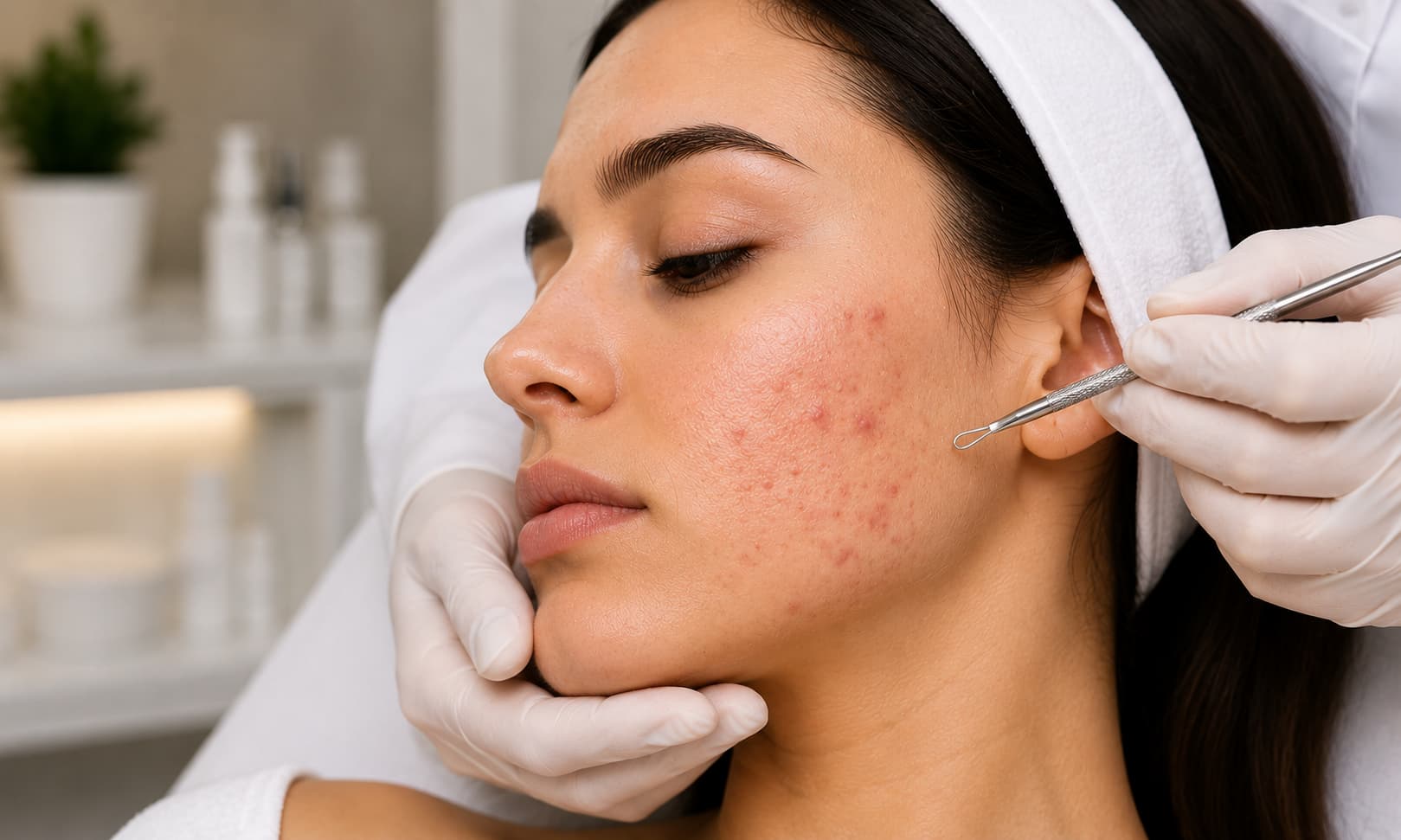
Acne is rarely just one thing — hormonal, inflammatory, or post-inflammatory. We diagnose first, then sequence treatment over weeks and months. Patience, not pressure, is the medicine.

0%Of patients respond
0monthsTypical timeline
0visitsActive phase
Acne

Considered care, plainly.

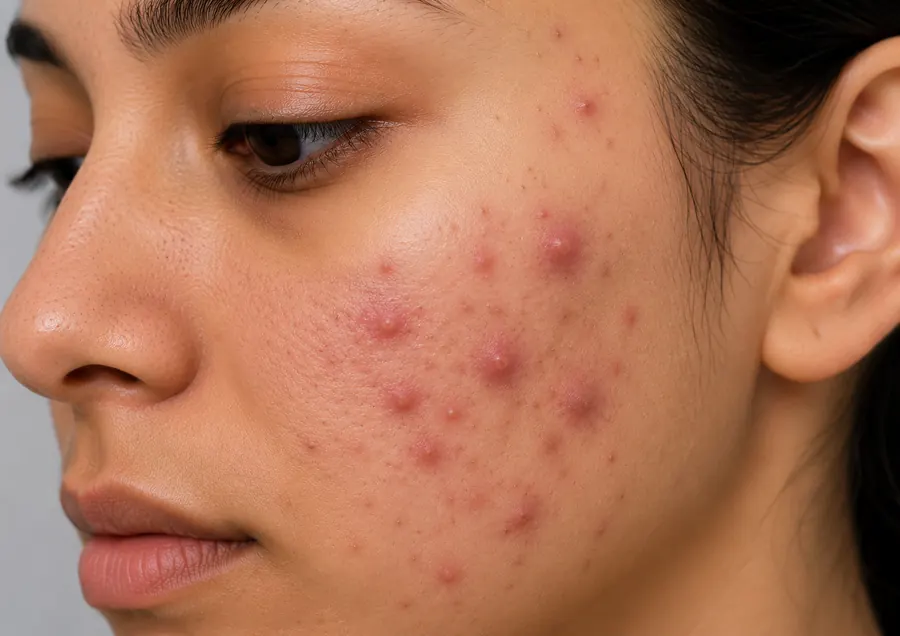
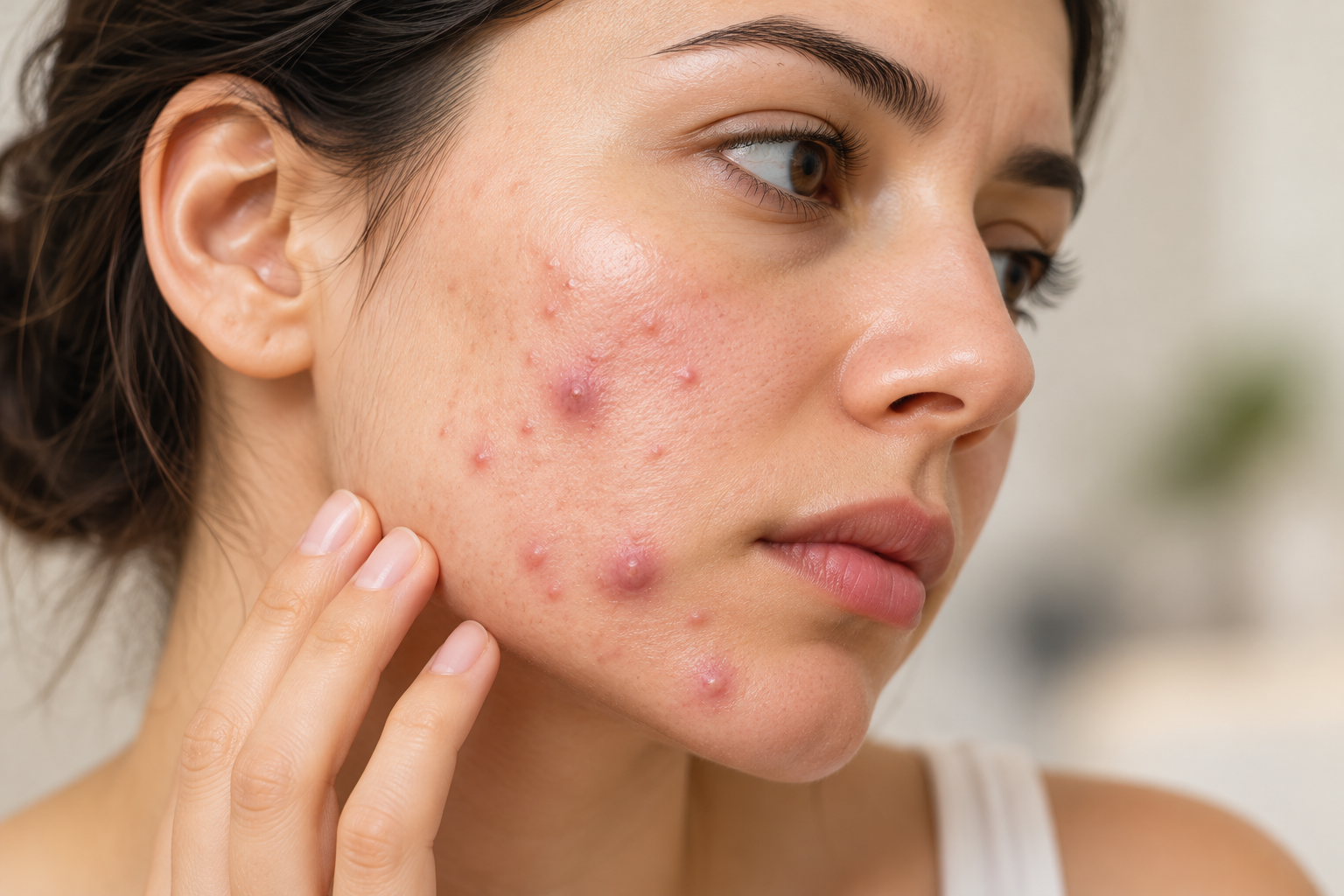
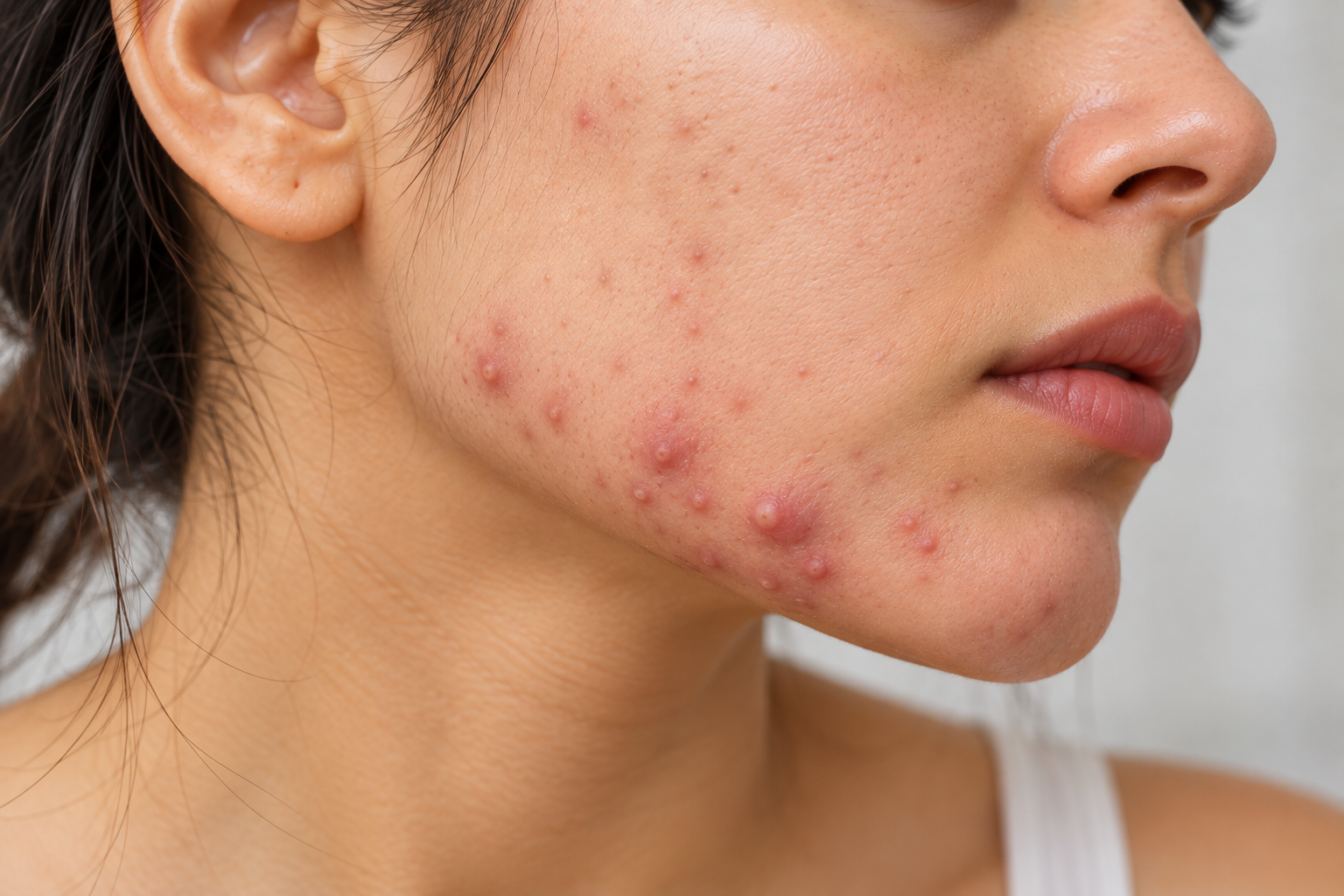
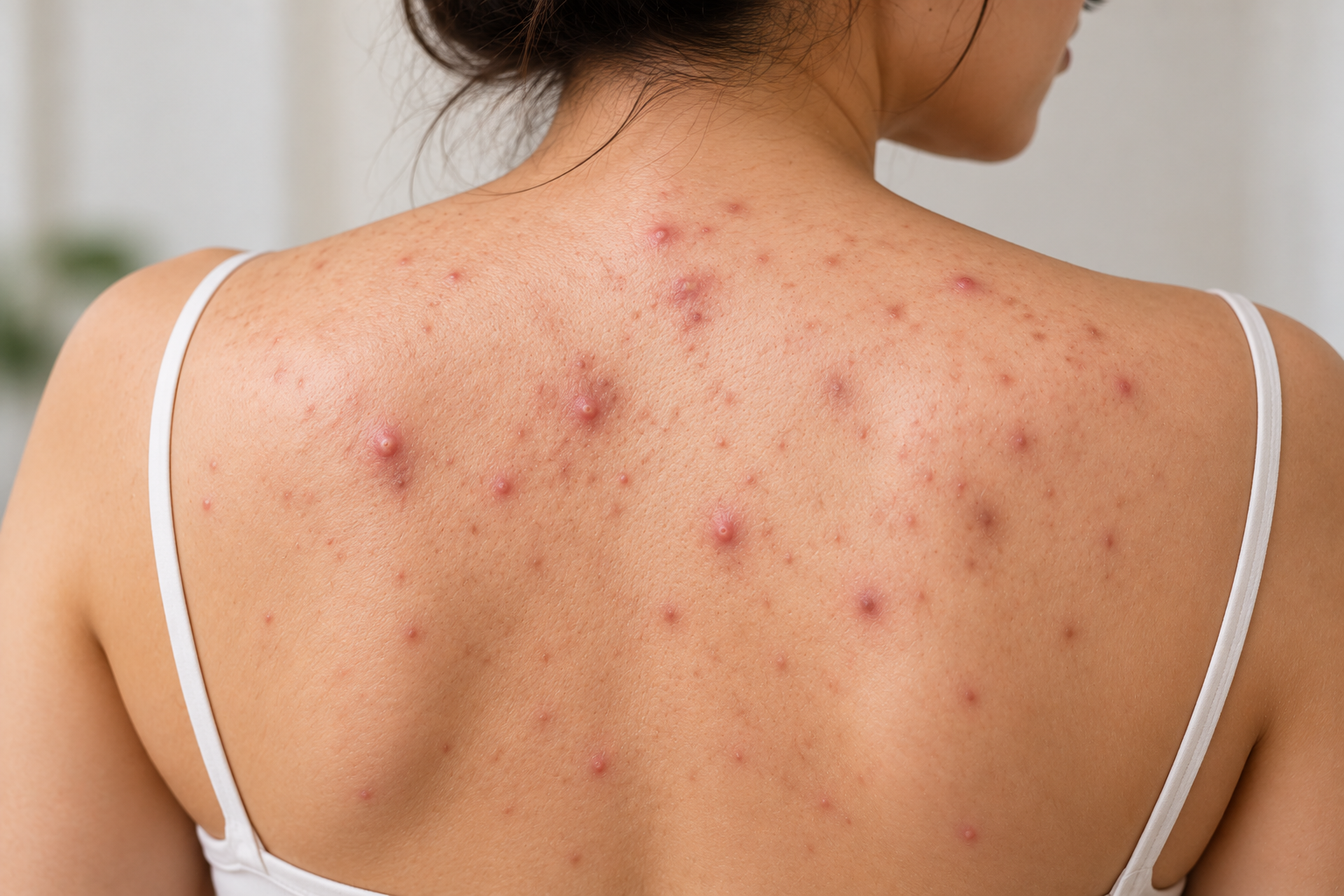
Acne presents in patterns — comedonal (blackheads and whiteheads), inflammatory (red papules and pustules), cystic (deep, painful nodules), and post-inflammatory (the marks that follow). Most cases combine two or three.

We classify the type, identify the trigger (hormonal, dietary, mechanical, microbial), and write a regimen for the next twelve weeks. Topicals first, oral therapy only when indicated, in-clinic treatments alongside, never the headline.

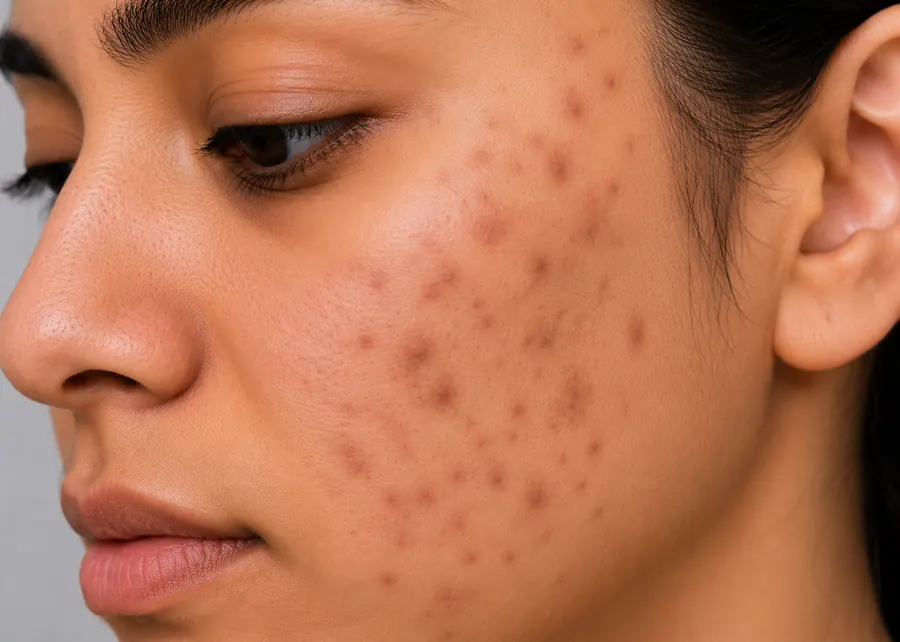
Indian skin marks readily — every active lesion can leave behind a stain that lasts months. The discipline is to treat early, gently, and to never let inflammation linger.

Six familiar patterns.

Each type has its own cause, depth and conversation with treatment. Hover or tap any plate to read its detail.

Plate I
I

Comedonal

Surface congestion

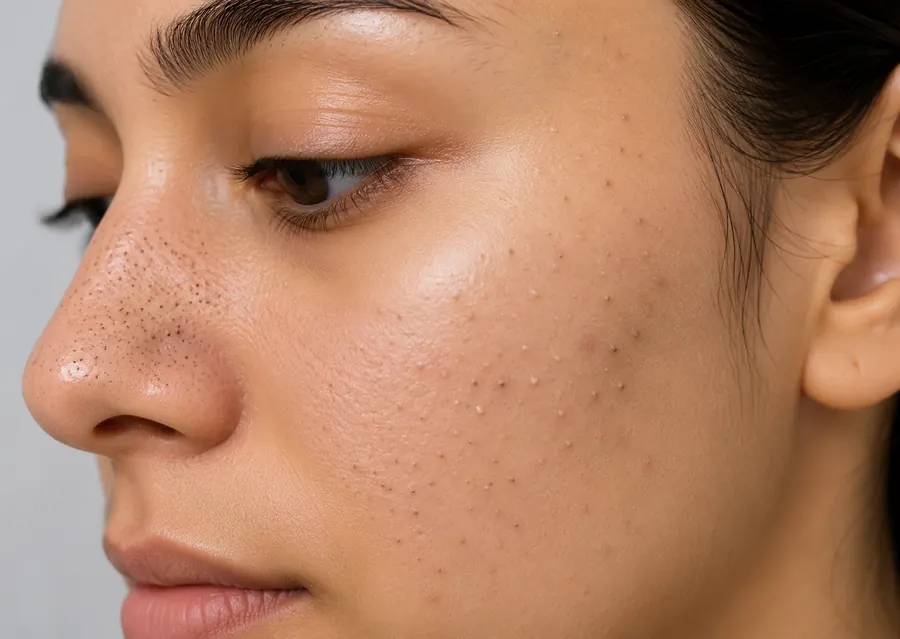
Blackheads and whiteheads — pores clogged with sebum and dead skin. Not inflamed, often along the nose, chin, and forehead T-zone.

Cause
Sebum + keratin
Severity
Mild
Depth
Superficial
Time
6–12 weeks
Plate II
II

Inflammatory

Red & painful

Red papules and pustules — visible inflammation. Driven by C. acnes bacteria and the immune response. Spreads if untreated.

Cause
Microbial + immune
Severity
Moderate
Depth
Mid-dermal
Time
3–6 months
Plate III
III

Cystic / Nodular

Deep, painful

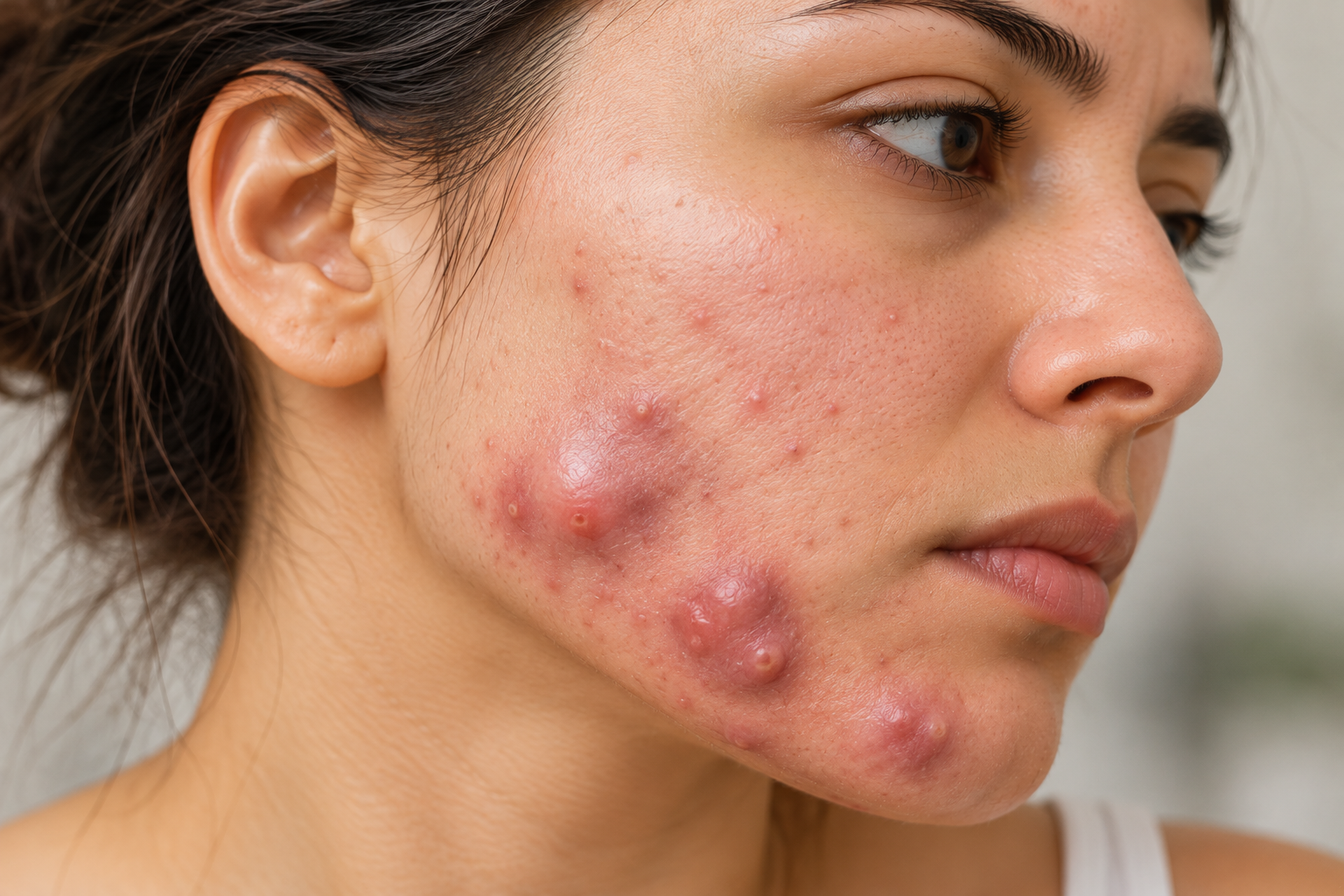
Large, painful lesions that sit deep in the dermis. Heal slowly, scar readily. Hormonal influence is common; jawline distribution typical.

Cause
Hormonal + deep
Severity
Severe
Depth
Deep dermal
Time
6–12 months
Plate IV
IV

Hormonal

Cyclical, jawline

Adult-onset acne tied to hormonal cycles, PCOS, or contraceptive shifts. Concentrated on the lower face. Responds to internal therapy as much as topical.

Cause
Endocrine
Severity
Variable
Depth
Mixed
Time
Cyclical
Plate V
V

Post-inflammatory

Brown marks

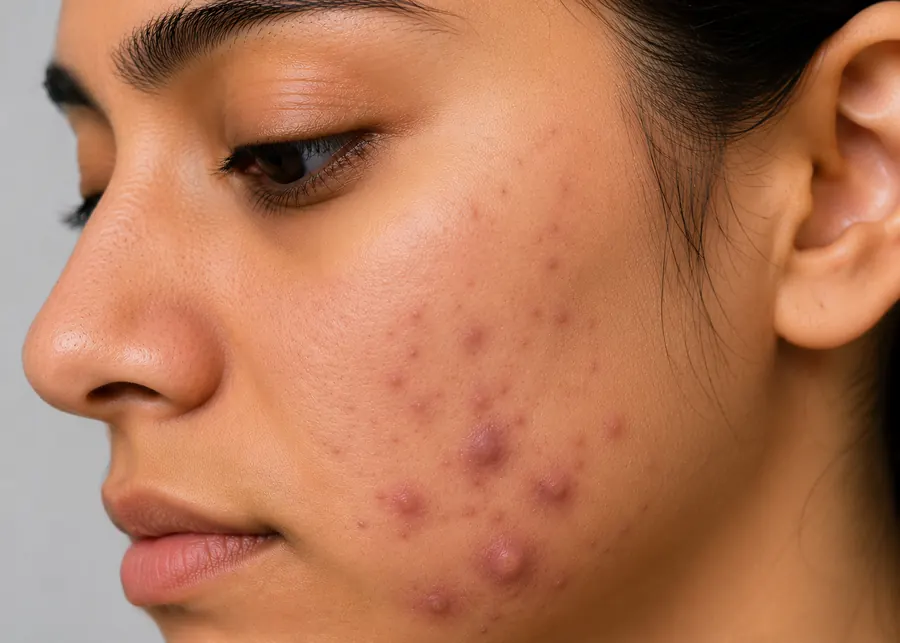
The pigmentation left behind after a lesion heals — distinct from acne scars. Especially common in Indian skin. Treatable but slow.

Cause
Pigment response
Severity
Cosmetic
Depth
Epidermal-dermal
Time
3–9 months
Plate VI
VI

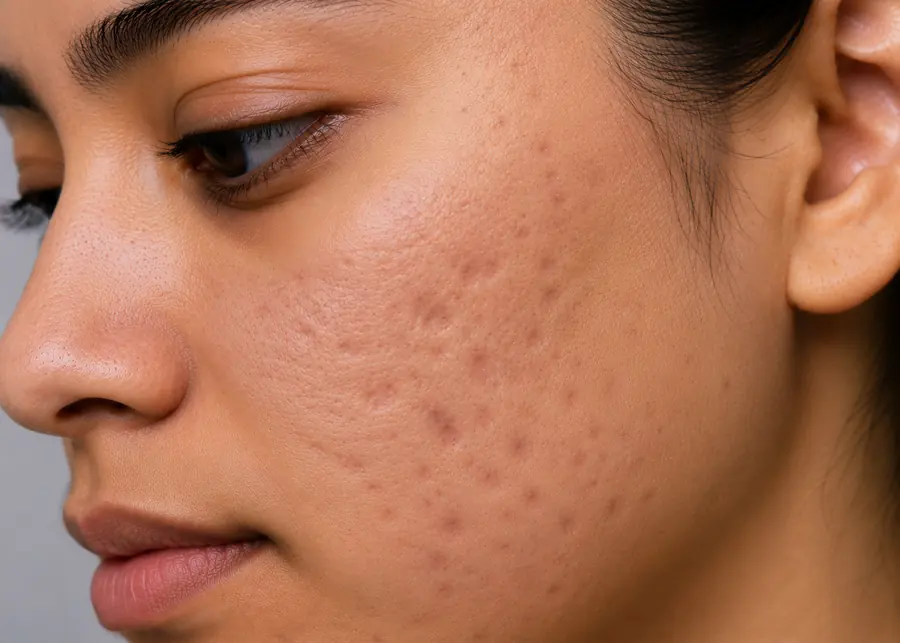
Acne Scars

Permanent texture

True scarring — ice-pick, rolling, or boxcar — that follows severe acne. Texture change rather than colour change. Requires different therapy entirely.

Cause
Tissue loss
Severity
Permanent
Depth
Dermal
Time
Years to soften

How we sequence the work.

I
Classify
Grade and type at examination. Dermoscopy where indicated; photographs for the record.
II
Trigger
Discuss hormones, dietary patterns, medications, and lifestyle factors that may be feeding the cycle.
III
Plan
Twelve-week written plan — topicals, in-clinic schedule, maintenance after.
IV
Review
Photographic review at six and twelve weeks. Adjust where indicated. Patience is non-negotiable.

What we use.

The treatments most often part of this concern's protocol. Real plans combine two or three, sequenced over months. Tap any to read the detail.

Dr. Shivali Sethi

Dr. Shivali Sethi

Twenty-five years of considered dermatology — examined first, prescribed second. The practice has only refined the standard.

MBBSDDVLFACSIDermatosurgeon

Forty-five minutes,
unhurried.

The first consultation is examination first. We will tell you plainly what is treatable, what is not, and what a realistic timeline looks like.