I
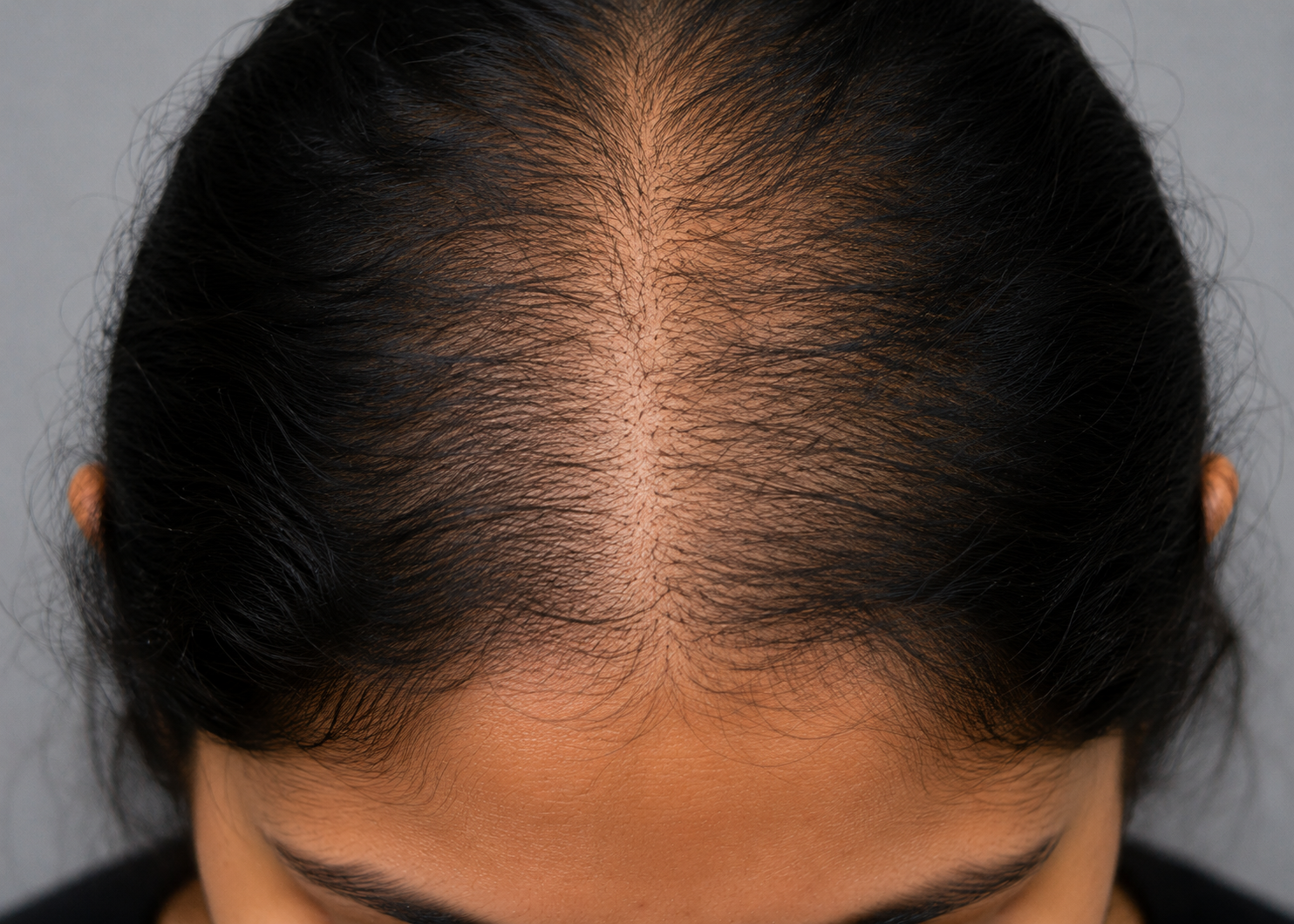
Androgenetic
Genetic, gradual
Pattern loss — recession at the temples, thinning at the crown for men; widening parting line for women. Slowly progressive over years.
- Cause
- Genetic + DHT
- Pattern
- Predictable
- Onset
- Adult
- Best Tx
- PRP + topical
Pattern hair loss, telogen effluvium, post-pregnancy thinning — each has a different timeline and a different therapy. We diagnose before we prescribe, and we are honest about what works.
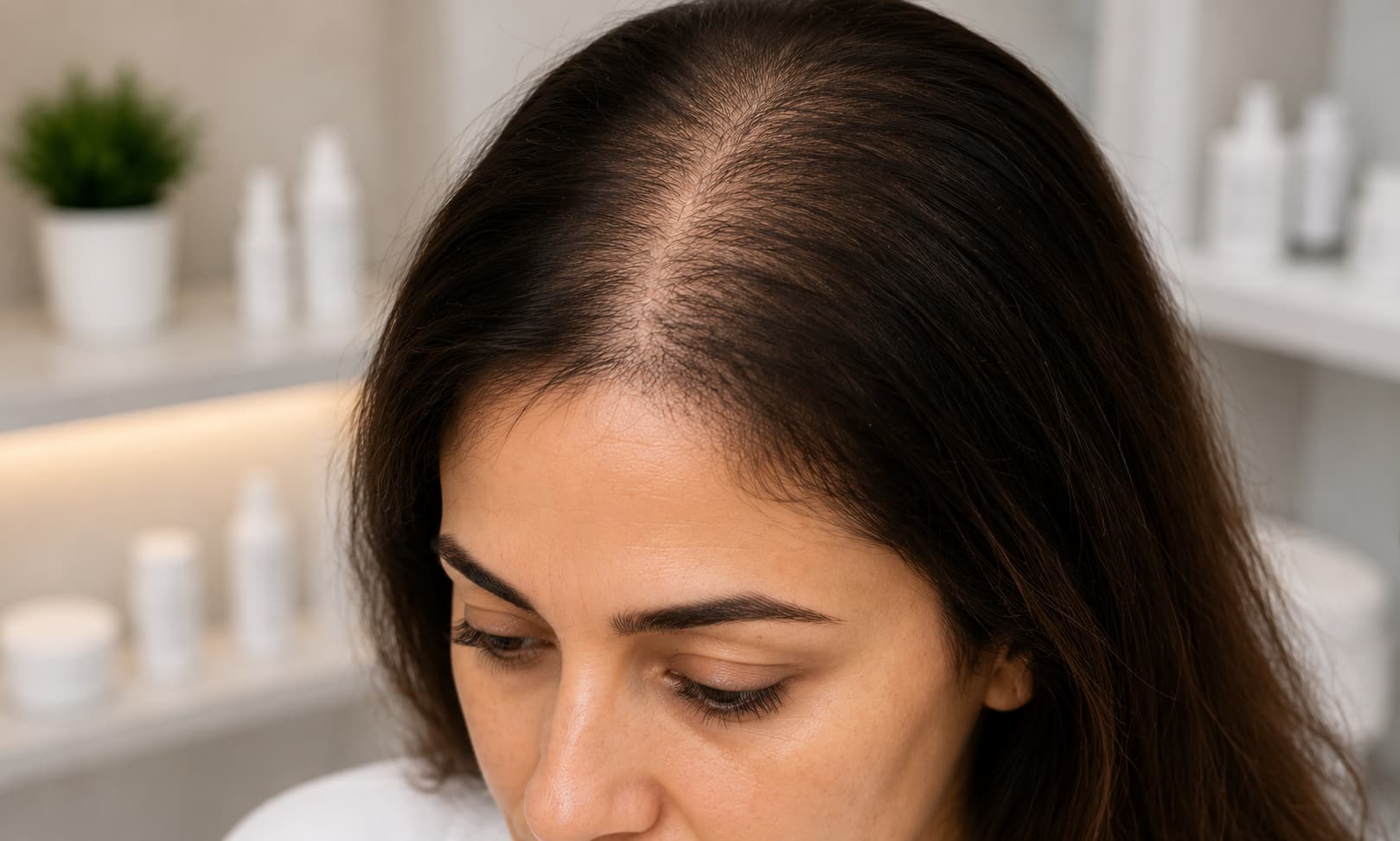
Hair loss is rarely just one cause. Genetic predisposition, hormonal shifts, nutritional gaps, stress, post-illness recovery, and trichological scalp conditions all contribute, often together. The first visit is diagnostic — trichoscopy, blood work where indicated, and a written assessment.
For androgenetic alopecia (pattern loss), the evidence supports a combination — topical minoxidil, oral therapy where appropriate, and in-clinic PRP or growth factor concentrate. Surgical hair transplant is the last resort and only when medical therapy has been given a fair trial.
For acute shedding (telogen effluvium), the work is identifying and removing the trigger; hair returns on its own timeline. We do not promise what hair cannot deliver.
Each type has its own cause, depth and conversation with treatment. Hover or tap any plate to read its detail.
Genetic, gradual
Pattern loss — recession at the temples, thinning at the crown for men; widening parting line for women. Slowly progressive over years.
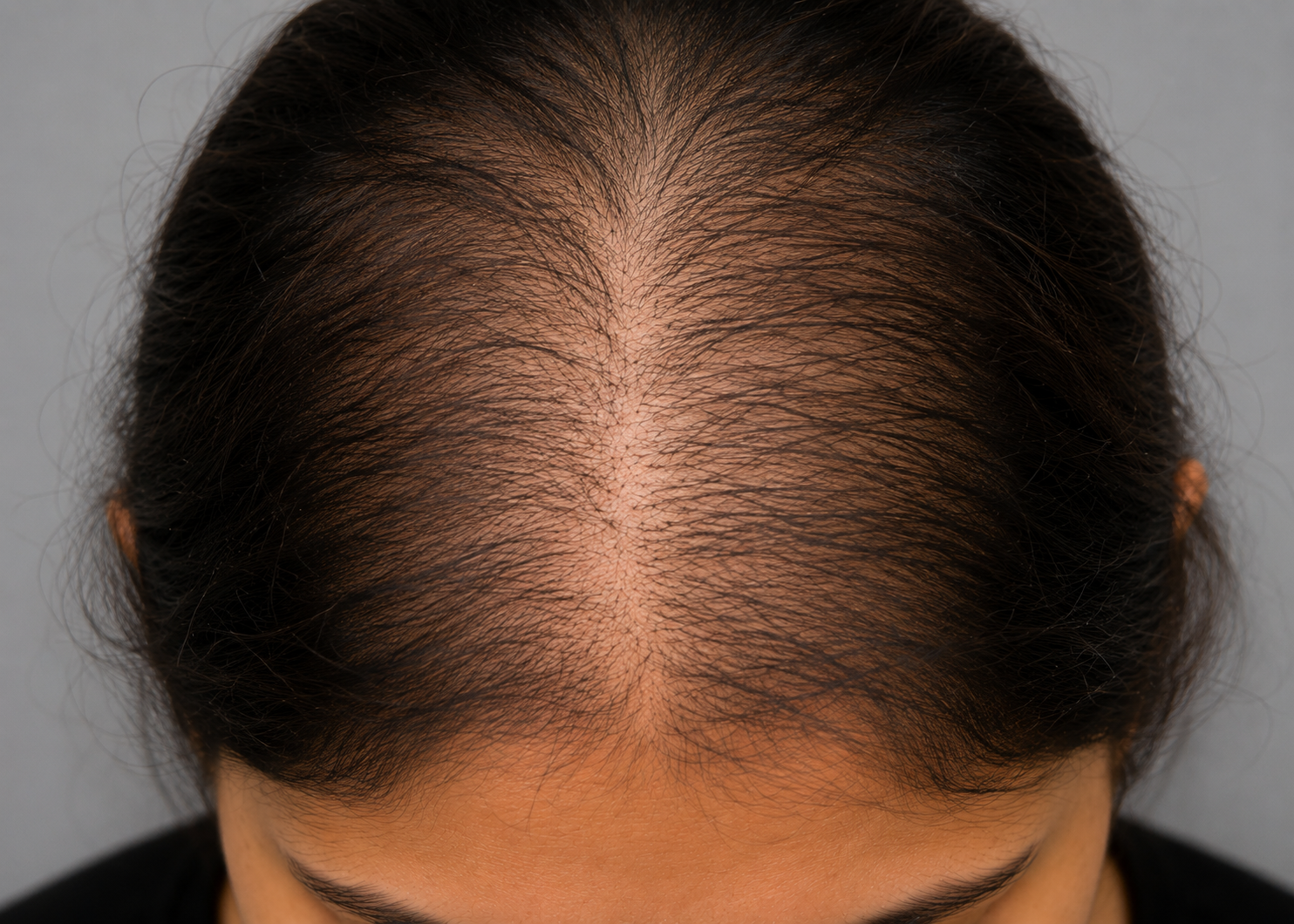
Acute shedding
Sudden, diffuse shedding two to three months after a trigger — illness, surgery, childbirth, severe diet, major stress. Self-limiting if cause resolves.
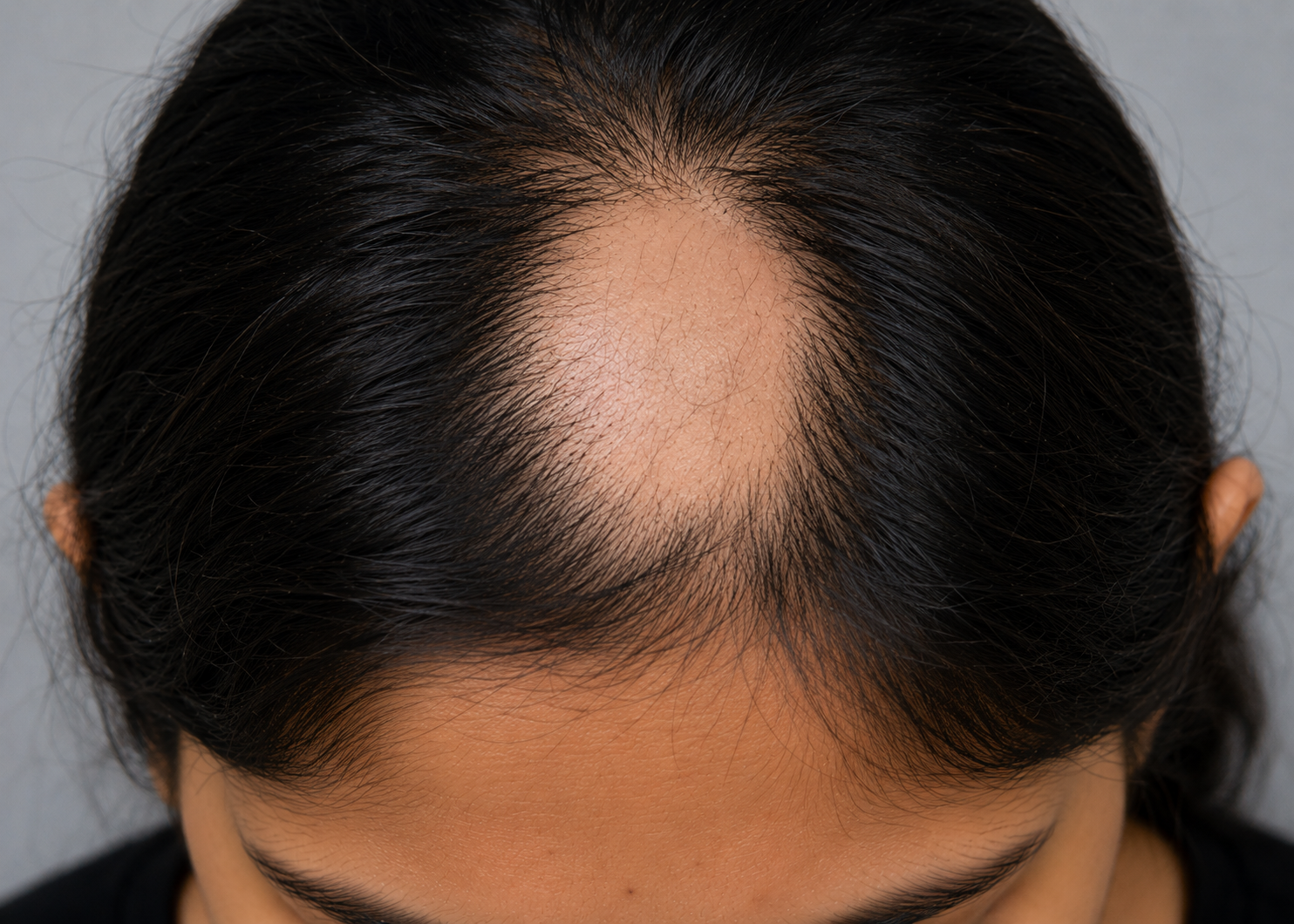
Patchy
Small, well-defined bald patches — usually on the scalp, sometimes beard or brows. Immune-mediated. Often regrows; treatment accelerates and prevents recurrence.
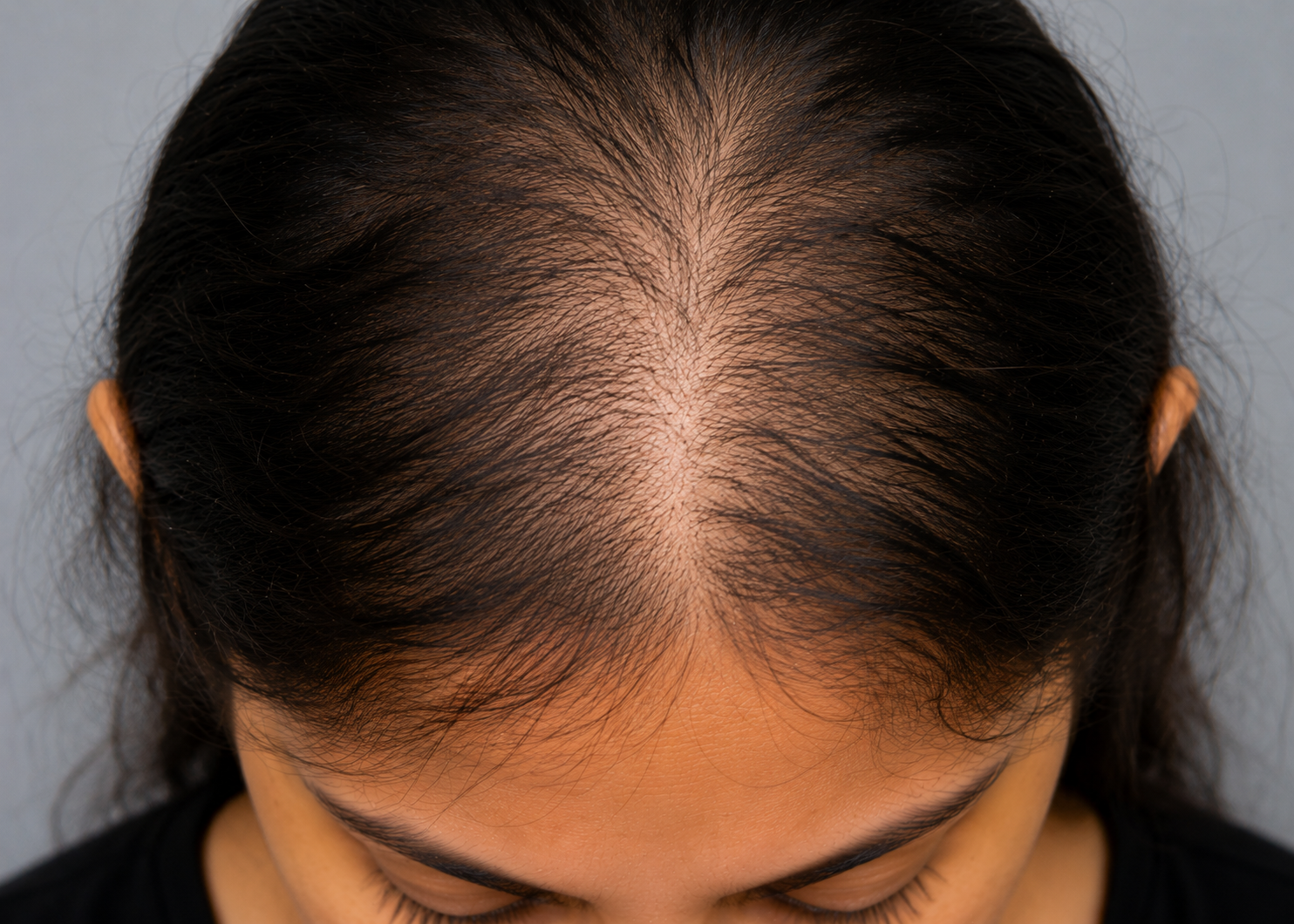
After childbirth
Three to six months after delivery, hair that should have shed during pregnancy lets go all at once. Distressing but self-correcting within twelve months.
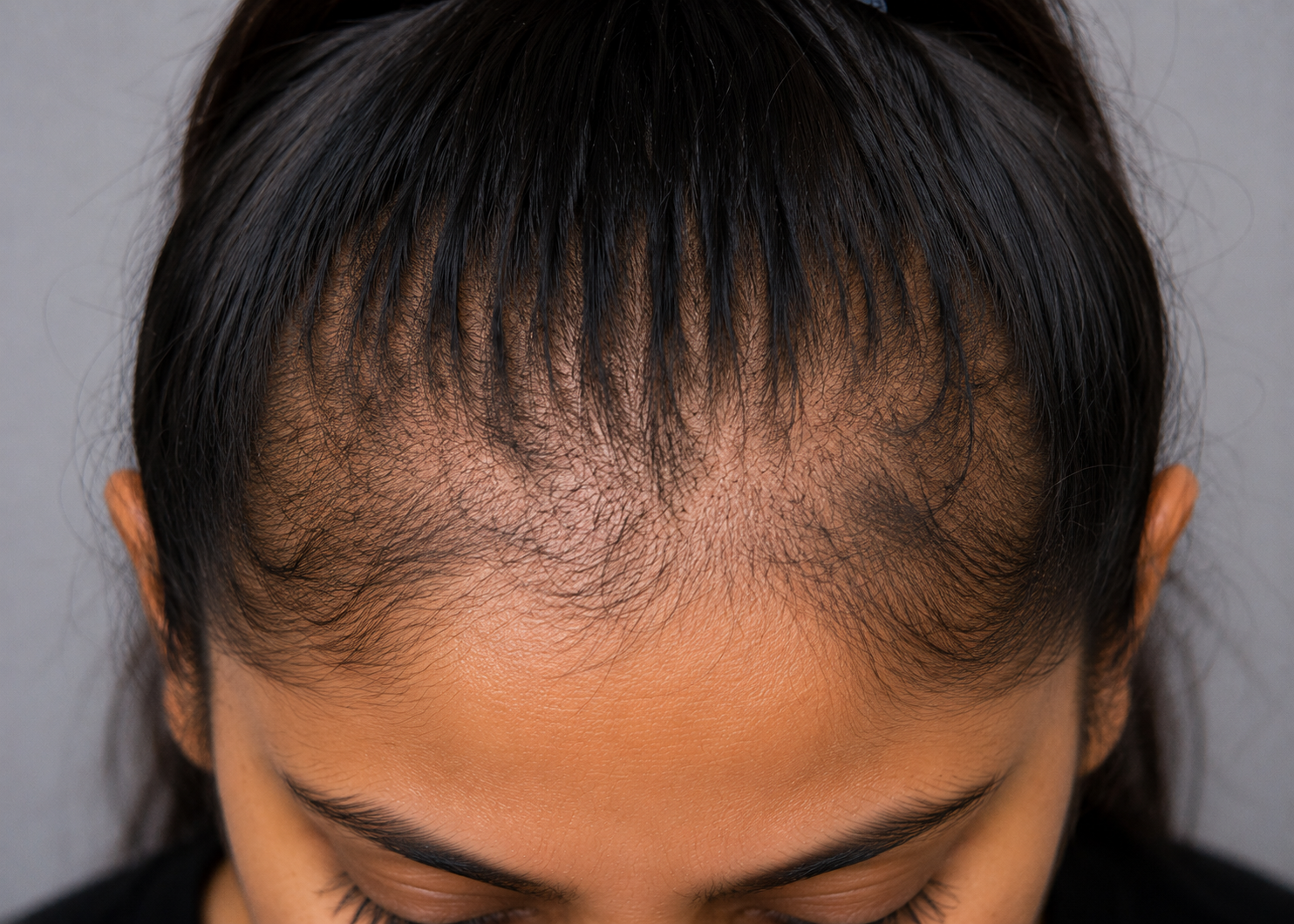
From styling
Loss from tight ponytails, braids, extensions — usually at the hairline. Reversible early; permanent if persistent.
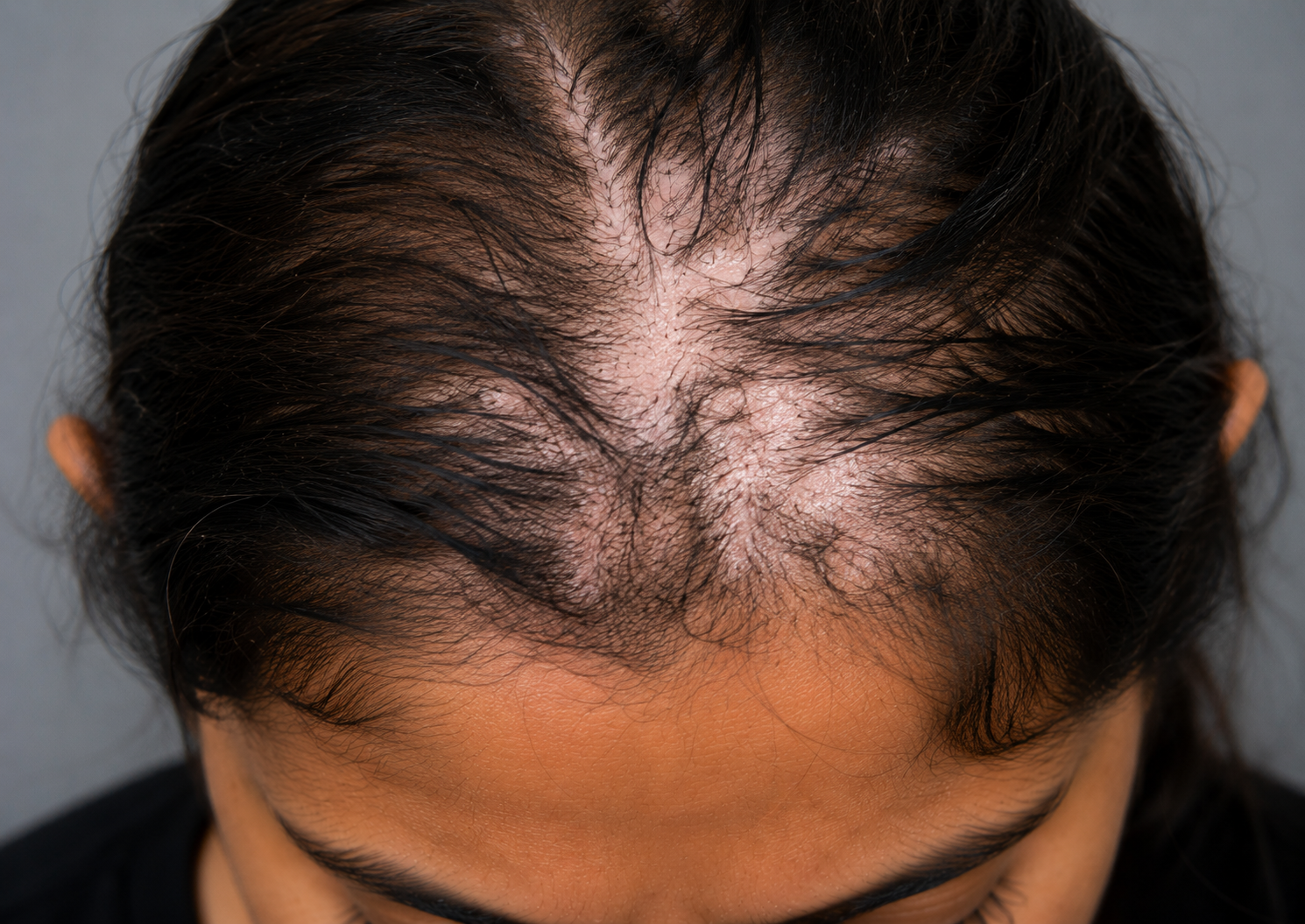
Permanent
A category — lichen planopilaris, frontal fibrosing alopecia, others — where hair follicles are destroyed. Early diagnosis matters; once gone, regrowth is not possible.
The treatments most often part of this concern's protocol. Real plans combine two or three, sequenced over months. Tap any to read the detail.
Hair Loss frequently shows up alongside the concerns below. The consultation decides what is actually being treated first.

Twenty-two years of considered dermatology — examined first, prescribed second. The practice has only refined the standard.
The first consultation is examination first. We will tell you plainly what is treatable, what is not, and what a realistic timeline looks like.