I
Ice-pick
Narrow, deep
Small, deep, V-shaped scars — pores that healed too deep. Common after cystic acne. Respond best to TCA cross or punch elevation.
- Origin
- Severe acne
- Shape
- V-narrow
- Depth
- Deep
- Best Tx
- TCA / punch
Scars are a textural change, not a colour one — which means most pigmentation creams will not move them. The honest answer is layered therapy across months, sometimes years, with realistic expectations.
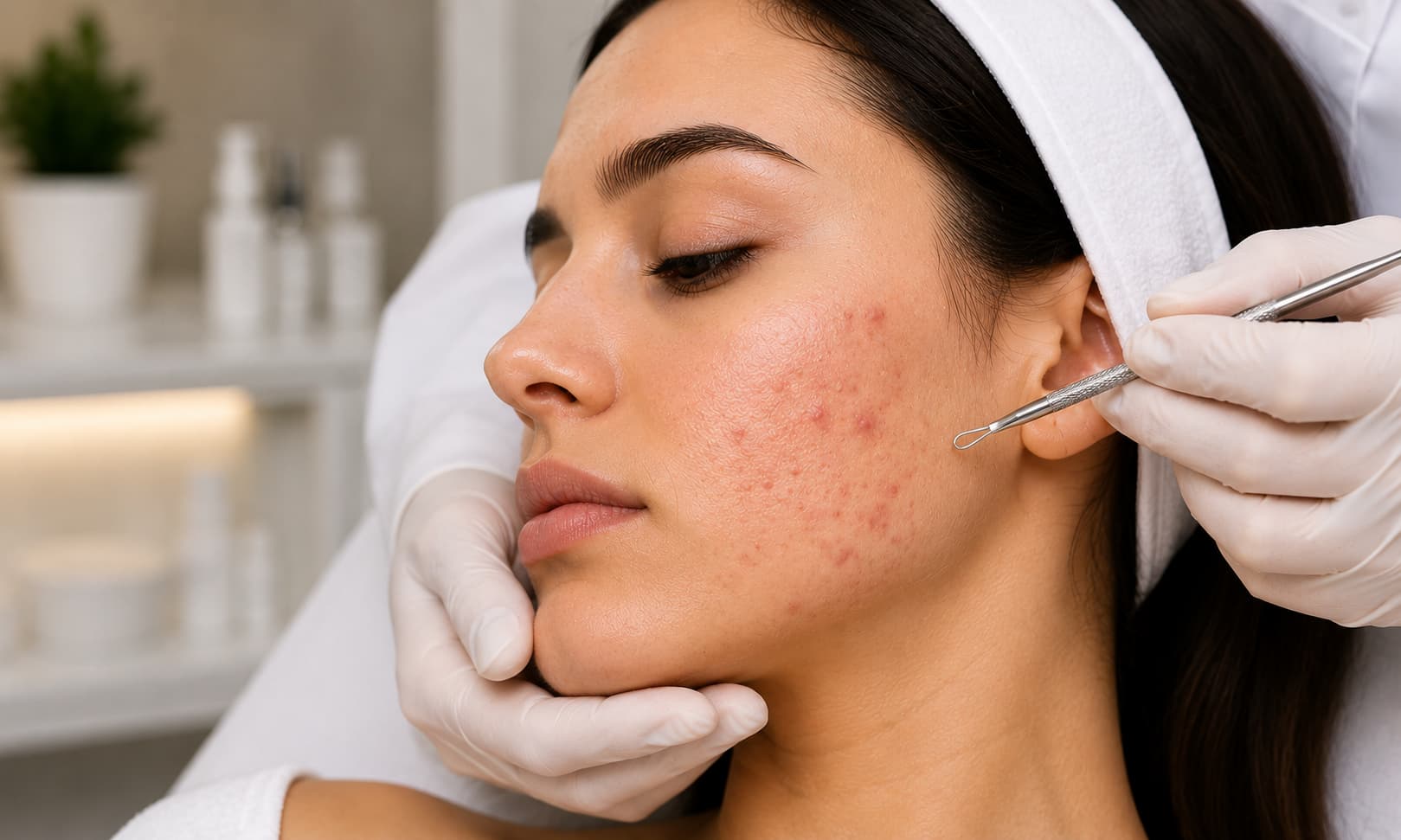
Scarring is the body's way of closing tissue that was lost or damaged. The dermis remodels but does not return to original; the surface follows that remodelled foundation. Texture, not pigment, is the durable change.
We assess scar type first — atrophic (depressed: ice-pick, rolling, boxcar), hypertrophic (raised, within the original wound), or keloid (raised, beyond the wound). Each demands different therapy; none responds to a single treatment alone.
A realistic protocol combines microneedling, lasers, subcision, and patience. Sixty percent improvement is a fair benchmark; complete erasure is not.
Each type has its own cause, depth and conversation with treatment. Hover or tap any plate to read its detail.
Narrow, deep
Small, deep, V-shaped scars — pores that healed too deep. Common after cystic acne. Respond best to TCA cross or punch elevation.
Wavy, broad
Broad, gentle undulations in skin surface — like a soft rolling wave. Caused by fibrous bands pulling the surface down. Subcision is foundational.
Sharp-edged
Wider scars with steep, defined edges — like small craters. Lateral edges respond to laser and chemical peels.
Raised, within
Raised scars that stay within the original wound boundary. Common after surgery, trauma, or severe acne — particularly on chest and back.
Raised, spreading
Raised scars that grow beyond the original wound. Genetically influenced — more common in deeper phototypes. Treatment focuses on flattening and prevention.
Linear, post-op
Linear scars from surgery — caesarean, appendix, knee, breast. Treatable, especially in the first year. After two years, expectations narrow.
The treatments most often part of this concern's protocol. Real plans combine two or three, sequenced over months. Tap any to read the detail.
Scars frequently shows up alongside the concerns below. The consultation decides what is actually being treated first.

Twenty-two years of considered dermatology — examined first, prescribed second. The practice has only refined the standard.
The first consultation is examination first. We will tell you plainly what is treatable, what is not, and what a realistic timeline looks like.