Concern · Skin

Psoriasis, understood.

Psoriasis is a chronic, immune-mediated skin condition that usually appears as red, well-defined plaques bearing a silvery scale. It can take many forms — from scattered droplet-like plaques to scalp, nail and palmoplantar patterns — and it follows its own rhythm of flares and quiet periods. Because it is a chronic condition, the work is not a one-time 'cure' but dermatologist-led management: identifying the pattern and extent first, then controlling flares and keeping the skin and the person comfortable long-term.

The patternRed scaly plaques
The methodPattern & extent first
Our aimControl flares · long-term
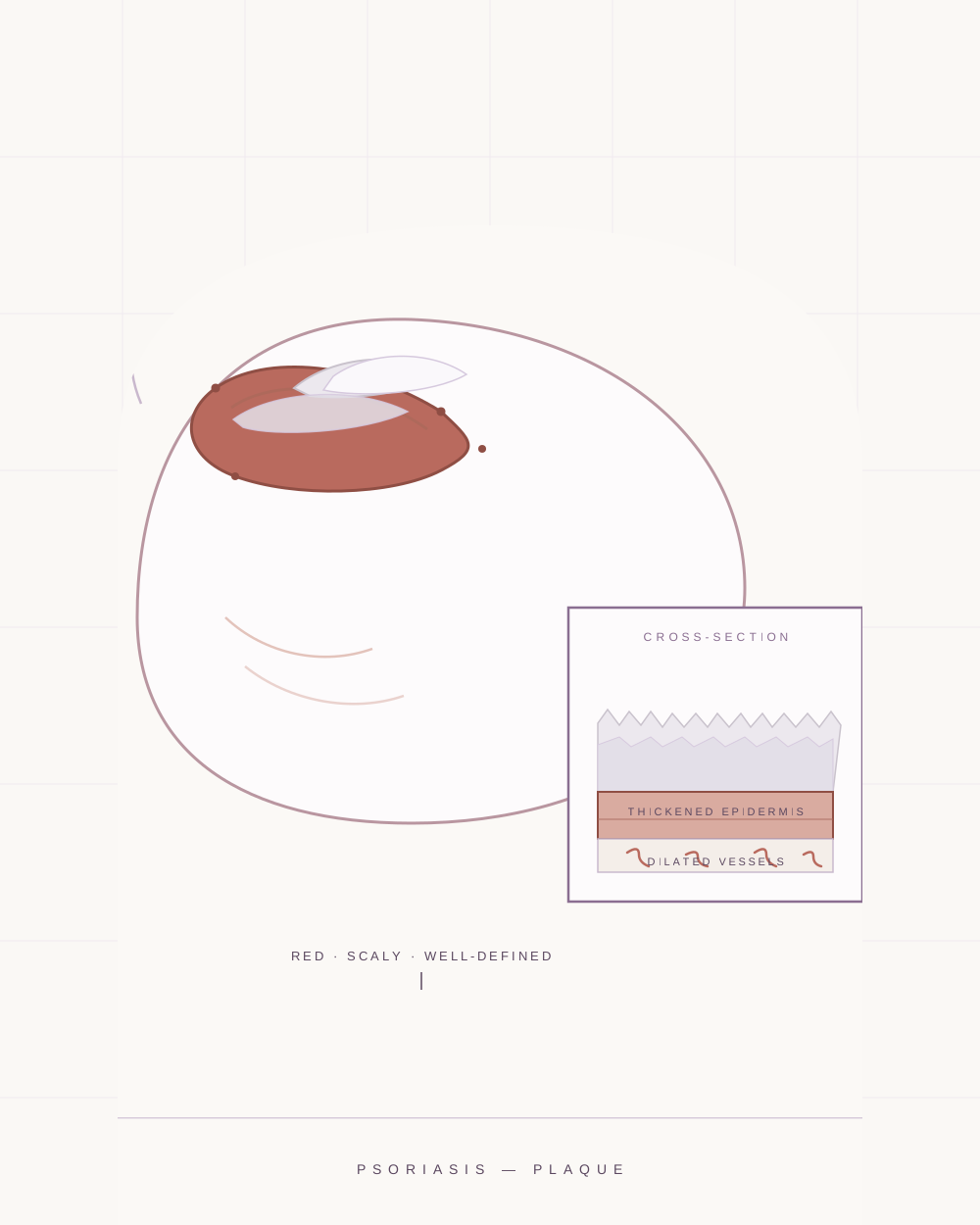
Psoriasis — a red, well-defined plaque with silvery scale (clinical diagram)
What is psoriasis and how is it treated?

Psoriasis is a chronic, immune-mediated condition of the skin.

It shows up as red, defined plaques with a silvery scale, and it can also affect the scalp, nails, palms and soles. Because the immune system drives it, psoriasis tends to run a course of flares and quiet periods rather than a single episode. Treatment is dermatologist-led: the pattern and extent are assessed first, then a topical, scalp or longer-term plan is built, with the honest goal of controlling flares — not claiming a permanent 'cure'.

The Basics

What is psoriasis?

Psoriasis is an immune-mediated condition in which the skin cell cycle speeds up abnormally. Skin cells that would normally take weeks to mature instead turn over in a matter of days, piling up on the surface as scale over inflamed, reddened skin.

The result is typically a raised, well-defined red plaque carrying a silvery-white scale — most often over extensors such as the elbows and knees, and on the scalp. It can also show as many small drop-like plaques, as scale in the hairline, or as changes in the nails and on the palms and soles.

Crucially, psoriasis is not an infection and it is not contagious. It is a chronic condition with flares and quiet periods, driven by the immune system acting on a genetic tendency — which is why it is managed, genuinely and honestly, rather than promised away with a single treatment.

Classification

Patterns of Psoriasis

Psoriasis is described by its pattern as much as its severity: chronic plaque, guttate (drop-like), scalp, and nail or palmoplantar involvement. One person can carry one pattern or several, and the pattern guides both assessment and treatment — an elbow plaque is approached differently from scale in the hairline or changes in the nails.

Patterns overlap, and new plaque can form on previously uninvolved skin. A dermatologist assesses the pattern, extent and treatment history before recommending a plan.

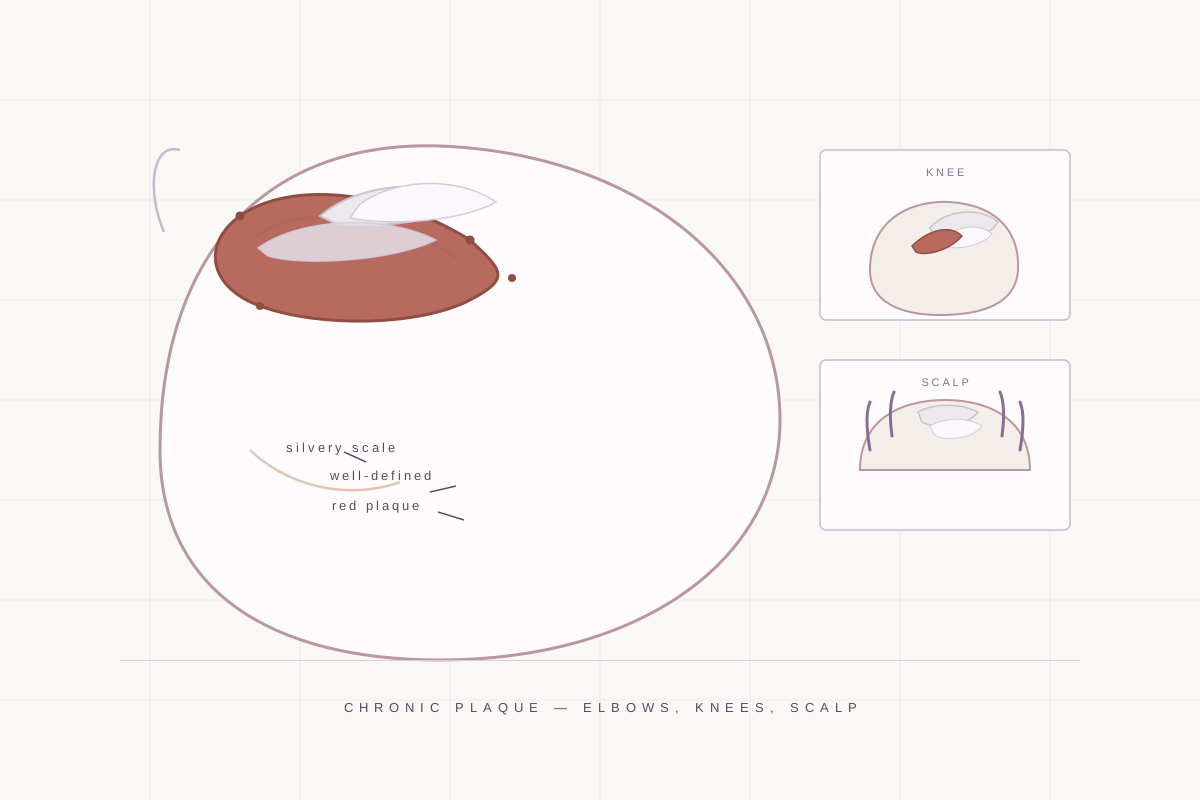
Chronic plaque psoriasis — a well-defined red plaque with silvery scale on the elbow, beside the knee and scalp sites (clinical diagram)
I

Chronic Plaque

Elbows, knees & scalp

The most common pattern. Raised, well-defined red plaques carry a silvery scale, classically over the elbows and knees in a roughly symmetric fashion, and often on the scalp. Plaques can be few and quiet or many and active; thick localised plaques sometimes respond better to intralesional therapy than topicals alone.

  • Well-defined plaques
  • Silvery overlaying scale
  • Often symmetric
Common sites
Elbows, knees, scalp
Presentation
Well-defined red plaques, silvery scale
Onset
Gradual, often symmetric
Key feature
Sharp, defined borders
Response
Topicals first; thick plaques may need more
Intralesional therapy for thick plaques
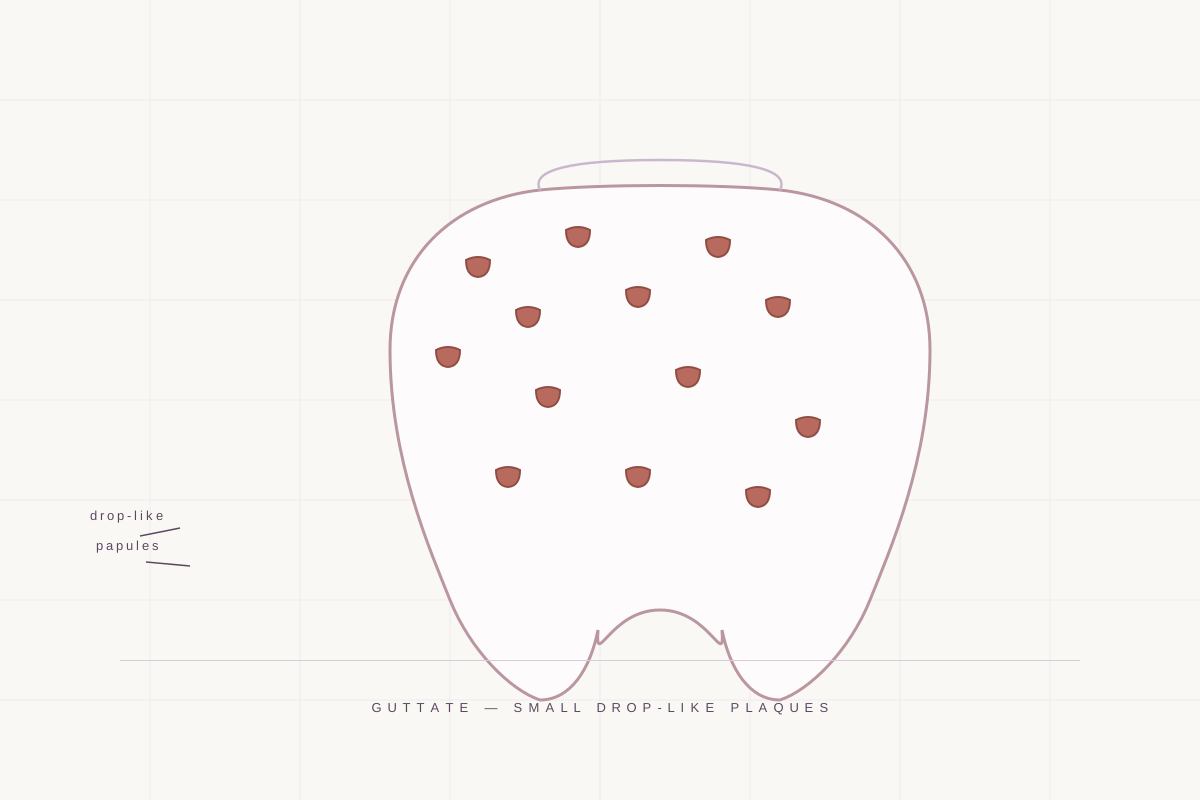
Guttate psoriasis — many small drop-like red papules scattered over the trunk (clinical diagram)
II

Guttate

Small drop-like plaques

Guttate psoriasis erupts as many small, droplet-shaped plaques — often over the trunk and limbs — sometimes quite suddenly. It can follow an infection such as a throat infection, though the link is assessed rather than assumed. A dermatologist determines how the pattern behaves and whether it settles or travels a plaque-like course.

  • Droplet-shaped plaques
  • Widespread on trunk
  • Often sudden onset
Common sites
Trunk, upper limbs
Presentation
Many small drop-like plaques
Trigger
Sometimes a throat infection
Key feature
Often sudden and widespread
Course
Assessed individually
How psoriasis is treated
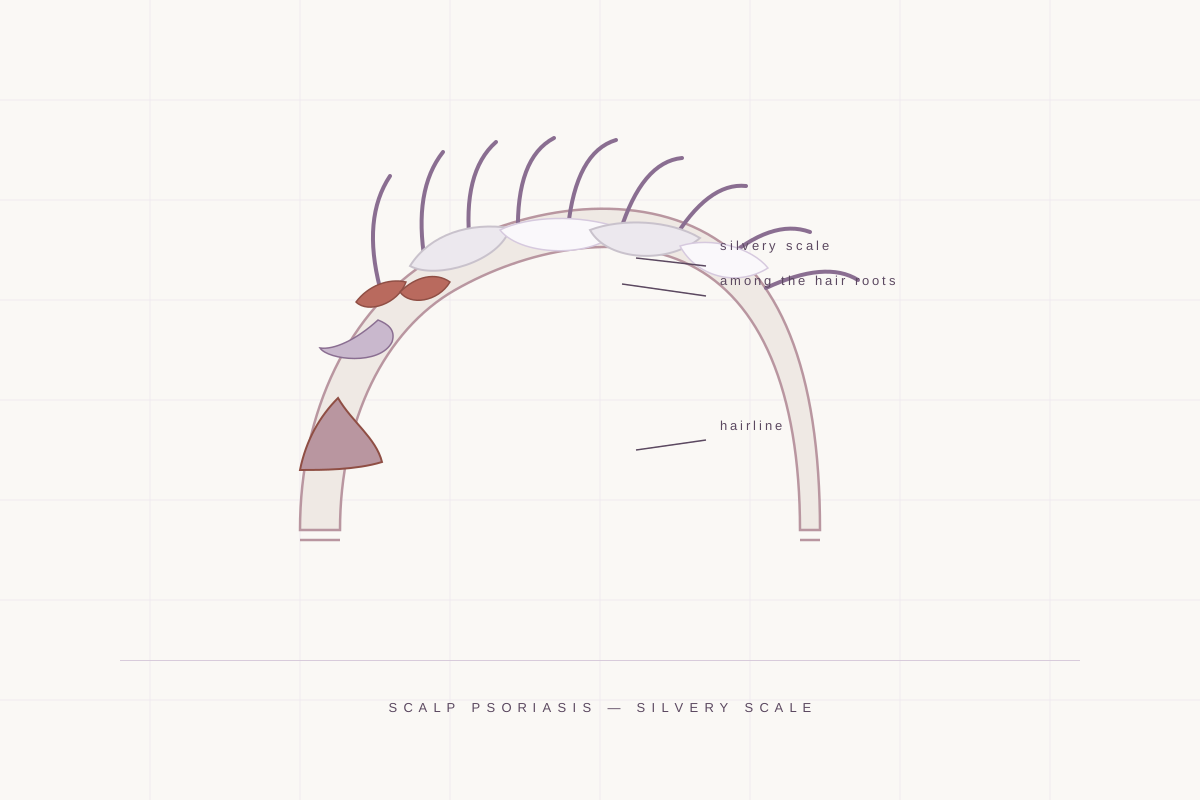
Scalp psoriasis — silvery scale among the hair roots and at the hairline (clinical diagram)
III

Scalp Psoriasis

Silvery scale in the hair

Psoriasis commonly involves the scalp, where silvery scale sits among the hair roots and often along the hairline. It is distinct from ordinary dandruff — a different condition with greasy, yellowish scale that needs different treatment. Scalp psoriasis is managed with scalp-specific protocols rather than a one-size-fits-all shampoo.

  • Silvery scale in the hair
  • Often at the hairline
  • Distinct from dandruff
Common sites
Scalp, hairline
Presentation
Silvery scale among hair roots
Confusion risk
Dandruff — a different condition
Key feature
Thick scale on the scalp
Care
Scalp-specific protocols
Scalp care in the everyday routine
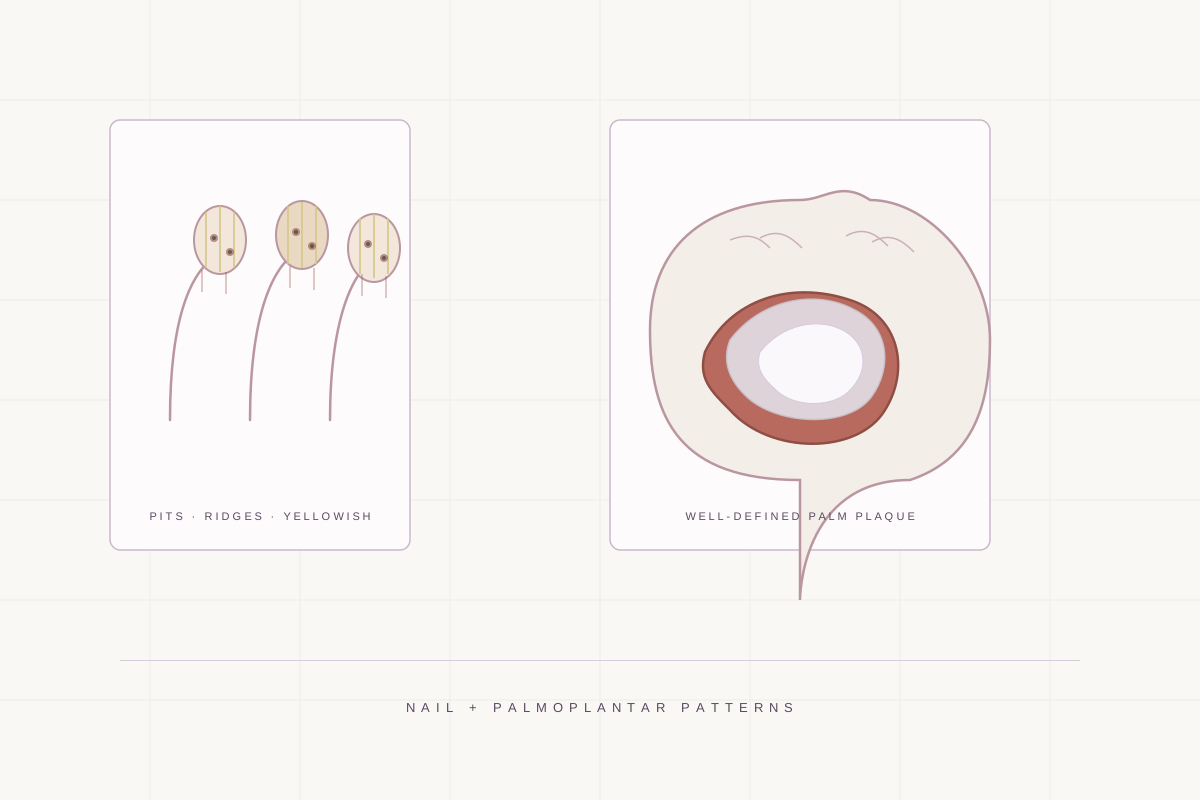
Nail and palmoplantar psoriasis — fingernails with pits and yellowish changes beside a well-defined palm plaque (clinical diagram)
IV

Nail & Palmoplantar

Nails, palms & soles

Psoriasis can mark the nails with pits, ridges or yellowish discolouration, and it can form thick, well-defined plaques on the palms and soles. These patterns can be stubborn, and nail changes can be easy to overlook. Because they respond more slowly, they are assessed carefully and treated with patience.

  • Nail pits & ridges
  • Yellowish nail changes
  • Thick palm-sole plaques
Common sites
Nails, palms, soles
Presentation
Pits, ridges, yellowish nails; palm-sole plaques
Severity
Often stubborn
Key feature
Changes can be subtle early
Course
Needs dermatologist assessment
Treatment for stubborn patterns
The Mechanisms

What causes psoriasis?

Psoriasis is driven by the immune system acting on a genetic tendency — it is not caused by anything you 'did' or caught.

In a person with the tendency, immune signals shorten the skin cell cycle and inflame the skin, producing the plaque. Certain things can bring on or worsen flares: infections, especially throat infections, injury to the skin (new plaques can appear where skin is cut, scratched or rubbed — the Koebner effect), stress, some medicines, and cold, dry weather. Alcohol and smoking act as aggravators for some people.

Trigger factors vary from person to person. Rather than a list of absolutes, they are discussed individually at assessment — which triggers matter for you is learned from your own history, not assumed from a rulebook.

What to look for

Psoriasis Symptoms & Signs

The signs of psoriasis ride on its pattern. In plain language alongside the medical terms:

Well-defined red plaques

Raised, red patches with clear, sharp borders

Silvery scale

The classic overlaying scale that sits on top of the plaque

Itching, sometimes burning

Sensation varies — some plaques are quiet, some itch

Nail pits, ridges or discolouration

Subtle nail changes can accompany skin plaques

Symmetry on elbows & knees

Plaques often mirror on both sides of the body

Scale that dots with bleeding

Pinpoint bleeding when scale is lifted — checked by a dermatologist, never self-scraped

Across Ages

Who gets psoriasis?

Psoriasis can begin at any age, though it most often first appears in early adulthood. There is no single 'psoriasis profile'.

It tends to run in families, and it can look different from person to person and from skin tone to skin tone. On Indian skin, scalp involvement is especially common, and the silvery scale can sit on plaques that range from pink-red to deeper shades of brown.

Some people with psoriasis also experience joint symptoms. If joints hurt or swell alongside skin disease, that is worth telling your dermatologist — not because it always means something, but because it changes how the condition is looked at.

Assessment

How is psoriasis diagnosed?

In most cases psoriasis is diagnosed on examination — the distribution, the defined borders and the silvery scale are usually characteristic enough.

A dermatoscope helps the examination by showing the scale and the tiny vessels beneath it in detail, which sharpens the distinction from lookalikes. A skin biopsy is rarely needed, and only when the picture is genuinely uncertain.

The everyday diagnosis is a differential one: psoriasis is compared with eczema and seborrheic dermatitis (and scalp psoriasis with stubborn dandruff) because the three can look alike early on. Getting the right name matters — each is treated very differently.

The Plan

Psoriasis Treatment

Psoriasis is managed, not 'cured'. The plan is built on the pattern and extent of your plaques, then stepped — topical care first, scalp and nail protocols where needed, and dermatologist-led phototherapy or systemic therapy when appropriate. Everything is supervised and adjusted at review rather than handed over as one fixed course.

01

Topical Therapy

Moisturising sits at the base of psoriasis care — it soothes and keeps the skin barrier intact. Prescribed topicals build on that: keratolytics to lift scale, vitamin-D analogues to slow the cell cycle, and topical corticosteroids under supervision to calm inflammation. Potency is matched to the site and the extent — thick skin tolerates more than the face, and nothing is applied as a fixed formula.

02

Scalp, Nail & Thick Plaques

Special areas need special handling. The scalp has its own protocols — medicated solutions and gentle shampooing that address the scale without harsh scraping. For thick, localised plaques that resist topicals, intralesional therapy can be a genuine help. Nail and palmoplantar patterns are managed with patience, because they respond slowly.

03

Longer-term Options & Review

Where psoriasis is widespread or resistant, phototherapy and systemic or biologic therapy come into the picture — and these are decisions made by a dermatologist, weighing extent, history, and any nail or joint involvement. The clinic advises on what is appropriate and supervises treatment over time; the review visit is where the plan is refined.

The clinic's dedicated treatment for thick localised plaquesIntralesional Therapy for Thick Plaques →
In Delhi

Psoriasis Care in Delhi at Laser Skin Hair Nail Clinic

At Laser Skin Hair Nail Clinic, Gujranwala Town, Delhi, psoriasis care begins with the pattern and extent — never with a prescription written on first sight alone. We look at your plaques, scalp and nails, review what has and has not helped before, and build a manageable plan for Indian skin: topical care tuned to your skin tone, scalp-specific protocols, and honest flare management with scheduled review.

  • Dermatologist-led assessment of pattern & extent
  • A topical plan tuned to Indian skin
  • Scalp and nail protocols where involved
  • Honest flare management and review
Clinical perspective
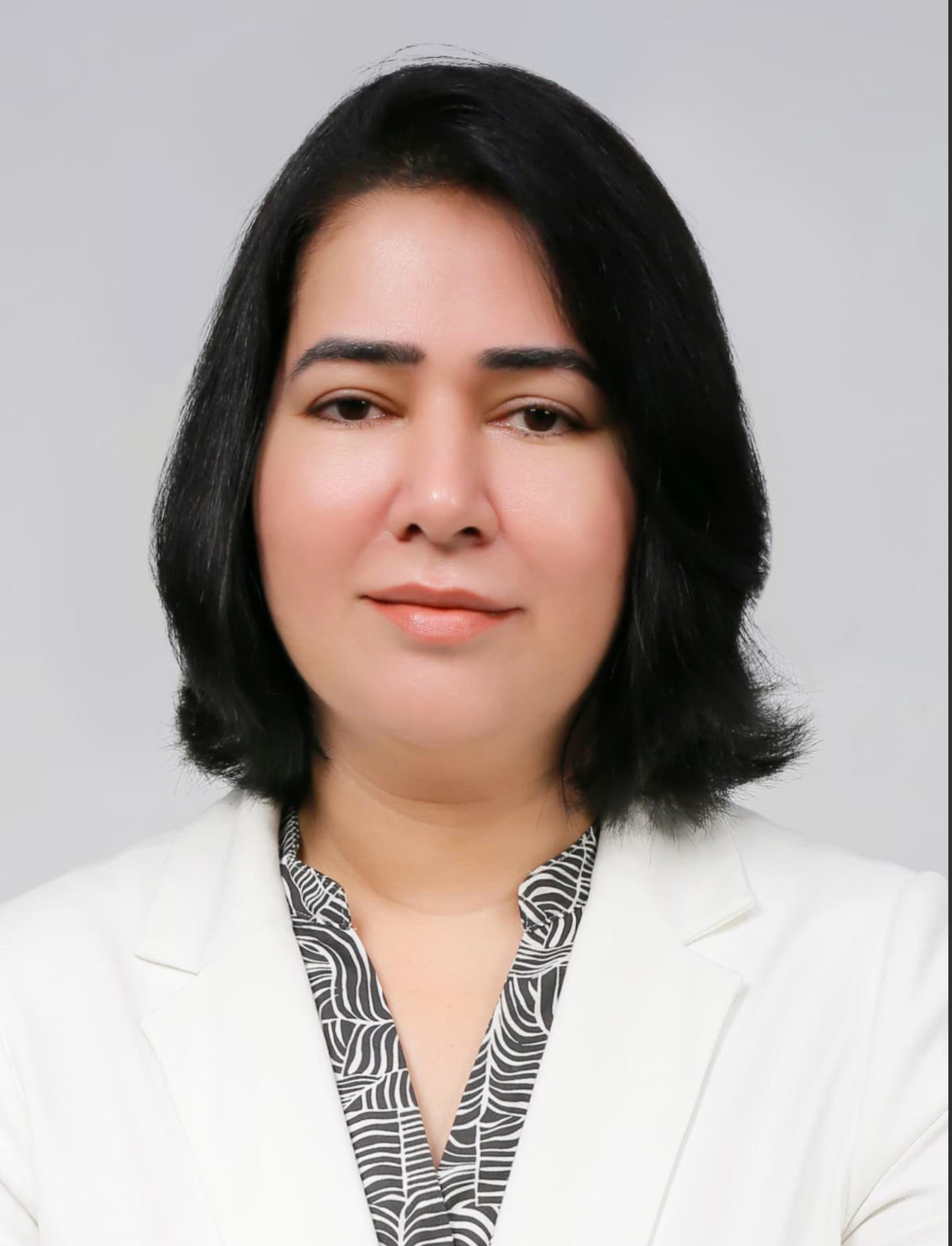
Dr. Shivali SethiDermatologist · Cosmetologist · DermatosurgeonMBBS · DDVL · FACSI
Book a Psoriasis Consultation in Delhi +91 99101 95838
Our Approach

How We Assess & Treat Psoriasis

I
Assess
Examination of plaques, scalp and nails, with photographs and a review of history and triggers.
II
Stage & pattern
The pattern — plaque, guttate, scalp, nail — and the extent it covers are identified.
III
Plan
A manageable written plan: moisturising and topicals first, specialised protocols where needed.
IV
Treat & review
Care is delivered and adjusted; flare control and side effects are reviewed honestly.
V
Long-term
Maintenance, early-flare plans, and supervision of any phototherapy or systemic care.
Dr. Shivali Sethi

Dr. Shivali Sethi

Dermatologist-led psoriasis assessment in Delhi — the pattern and extent first, a manageable plan second, and honest expectations about a chronic condition.

MBBSDDVLFACSIDermatosurgeon
Three different conditions

Psoriasis vs Eczema vs Severe Dandruff

Scale-first, itch-first and greasy-scale conditions are all treated very differently. Knowing which one you are dealing with determines the right care.

1Scale-first

Psoriasis

Well-defined red plaques with a silvery scale come first, on extensors and the scalp. It is immune-mediated, chronic and managed by control of flares.

2Itch-first

Eczema

Itching comes first, followed by dry, less well-defined patches, often in flexures. It is a barrier-and-itch disease with different treatment and triggers.

3Greasy scale

Severe dandruff

Seborrheic dermatitis — yellowish, greasy scale on the scalp and face — is often mistaken for scalp psoriasis. Different condition, different treatment.

Avoidables

What Can Make Psoriasis Worse?

Psoriasis is sensitive to how the skin is handled and to the rhythm of care. A few habits are worth breaking — not because they 'cause' psoriasis, but because they provoke flares or undo the plan.

  • Skin injury or scratching — new plaques can form at a site of injury (Koebner)
  • Stress waves without care — stress can accompany flares for some people
  • Abrupt stops of prescribed treatment — psoriasis can rebound without a plan
  • Harsh scraping of scale — it injures skin and can encourage new plaques
  • Unmonitored sun-bed exposure — UV as therapy is a dermatologist’s decision, not a tanning habit
The Everyday

Psoriasis Skincare & Prevention

A simple framework carries most people well. The right cleansing and moisturising for your skin is individualised at consultation — this is a shape, not a prescription.

Morning

Gentle cleanser → emollient as advised → sun protection where expected

Sun helps some skin types, but it must not be unsupervised. Controlled UV as therapy is a dermatologist's decision — random exposure is not a treatment.

Night

Gentle cleanser → prescribed topical as advised → moisturiser

For the scalp: treat the scalp like skin — gentle shampooing and the prescribed scalp topical used as advised, never harsh scraping.

The Right Time

When Should You See a Dermatologist for Psoriasis?

See a dermatologist if psoriasis is extensive or spreading quickly, involves the scalp, nails or palms and soles, is accompanied by joint pain or swelling, or keeps flaring despite careful basic care.

Book a Consultation
  • 01Extensive or fast-spreading plaques
  • 02Scalp, nail or palmoplantar involvement
  • 03Joint pain or swelling alongside skin disease
  • 04Flares resistant to basic care
  • 05Psoriasis affecting how you feel or function
  • 06Thick, stubborn plaques at any one site
  • 07New-onset plaques you have not had assessed
  • 08Treatment stopped or changed without a plan
False Friends

Psoriasis Myths: What Is Actually True?

Is psoriasis contagious?

No. Psoriasis is driven by the immune system and a genetic tendency — it is not an infection and cannot be passed on by touch, contact or shared objects.

Does psoriasis affect only the skin?

Not always. It can also involve the scalp, nails, palms and soles, and some people with psoriasis experience joint symptoms. If your joints hurt or swell, tell your dermatologist — it changes how the condition is looked at.

Can diet cure psoriasis?

No food causes psoriasis, and no diet cures it. A balanced diet supports general health, but no single food or 'miracle diet' clears psoriasis — anyone claiming otherwise is overpromising. Treatment is medical, not a menu.

Is psoriasis just bad dandruff?

No. Scalp psoriasis is silvery scale on the scalp, while dandruff (seborrheic dermatitis) is greasy, yellowish and itchy. They look different and are treated differently, so getting the name right matters.

Will psoriasis go away forever?

Psoriasis is chronic — it can be controlled, sometimes for months or years at a time, but it is not 'cured' permanently. The goal is honest flare control and a long-term plan, not a promise of disappearance.

Are sun-beds a safe psoriasis treatment?

Not by yourself. Uncontrolled UV exposure raises the risk of burns and skin damage. Phototherapy is a medical treatment with measured, supervised doses — a decision for a dermatologist, never a tanning habit.

Questions & Answers

Frequently Asked Questions About Psoriasis

The questions patients ask most often — answered directly, without the jargon.

01

What is psoriasis?

Psoriasis is a chronic, immune-mediated skin condition in which skin cells turn over too quickly and pile up as scale over inflamed red skin. It usually appears as well-defined red plaques with a silvery scale, and it can also affect the scalp, nails, palms and soles. It is not an infection and it is not contagious.

02

Is psoriasis contagious?

No. Psoriasis is not caused by an infection and cannot spread from person to person by touch or contact. It is driven by the immune system acting on a genetic tendency, which is why it tends to run in families.

03

What causes psoriasis?

Psoriasis is caused by an overactive immune response in someone with a genetic tendency. Flares can be provoked by throat and other infections, skin injury (Koebner effect), stress, some medicines, and cold dry weather. Alcohol and smoking can aggravate it for some people.

04

What are the different types or patterns of psoriasis?

The common patterns are chronic plaque psoriasis (well-defined plaques, classically on elbows, knees and scalp), guttate psoriasis (many small drop-like plaques), scalp psoriasis (silvery scale in the hair), and nail or palmoplantar psoriasis (nail pits and yellowish changes, plaques on palms and soles). Patterns can overlap.

05

Is psoriasis only a skin disease?

Psoriasis can also involve the nails, scalp, palms and soles, and some people with psoriasis experience joint symptoms. Because the immune system is involved, the condition is looked at as a whole — which is why joint pain or swelling alongside skin disease is always worth telling your dermatologist.

06

How is psoriasis treated?

Treatment is staged and dermatologist-led: moisturising as the base, prescribed topicals such as keratolytics, vitamin-D analogues and topical corticosteroids under supervision, scalp and nail protocols where involved, and intralesional therapy for thick localised plaques. Phototherapy and systemic or biologic therapy are decisions made by a dermatologist for widespread or resistant disease.

07

Can psoriasis be cured?

Psoriasis is a chronic condition, so it is managed rather than 'cured'. It can be controlled well — sometimes for long periods — with the right plan and review. The honest goal is flare control and maintenance, not a permanent disappearance promised by any single treatment or diet.

08

What is scalp psoriasis?

Scalp psoriasis is psoriasis on the scalp: silvery scale sitting among the hair roots, often along the hairline, over reddened skin. It is distinct from ordinary dandruff (seborrheic dermatitis), which has greasy, yellowish scale and needs different treatment. Scalp psoriasis responds to scalp-specific protocols.

09

When should I see a dermatologist for psoriasis?

See a dermatologist if psoriasis is extensive or spreading quickly, involves the scalp, nails or palms and soles, is accompanied by joint pain or swelling, or flares despite careful basic care. Psoriasis that is affecting how you feel, or treatment being stopped or changed without a plan, are also good reasons to come in.

10

Where can I get psoriasis treatment in Delhi?

At Laser Skin Hair Nail Clinic, Gujranwala Town, Delhi. Psoriasis care is led by Dr. Shivali Sethi (MBBS · DDVL · FACSI), beginning with an assessment of pattern and extent, followed by a personalised topical plan, scalp and nail protocols where involved, and honest flare management with review. Book a consultation to get started.

Begin

Forty-five minutes,
unhurried.

The first consultation is examination first. We look at the pattern and extent of your psoriasis, show you what is manageable, and agree a realistic long-term plan — not a promise of a cure.